- Posted on:
- Reading time:
Green horizons: Exploring the plant-based movement in food science
This blog is the first of the “1-2-Taste sustainability” series which addresses plant-based products’ challenges, waste reduction, and much more.
In this first article, we dive into the rising plant-based movement and share some ingredients inspirations for the R&D teams that want to create tasty vegan food products that consumers can trust.
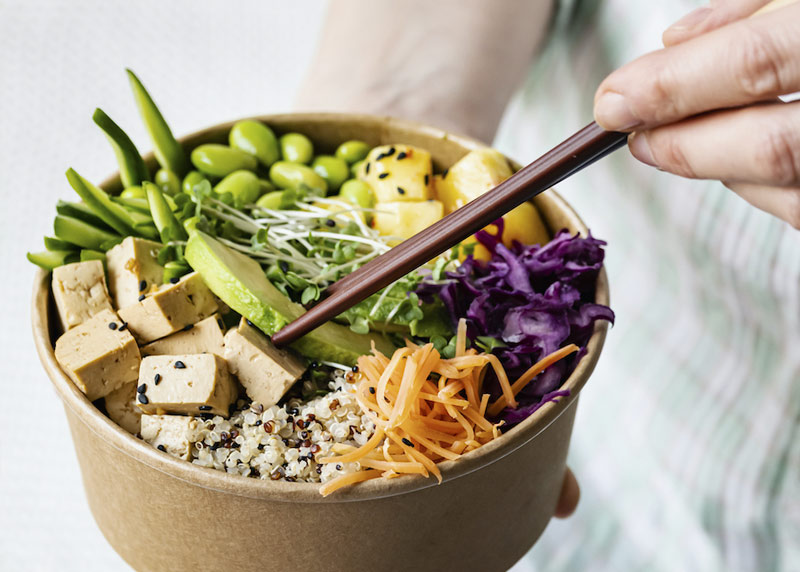
Nutrition forward: Harnessing plant power for healthier living
With 55% of European consumers recognizing the health benefits of plant-based food alternatives and 46% associating them with weight management, the appeal of high-protein plant-based products is broadening2. This interest comes from consumers looking to improve their physical condition to those aiming for better nutritional content in their diets. Typically, recognising the benefits of a healthy plant-based diet leads to encouraging the adoption of this lifestyle to partners, children, friends and larger family. To avoid allergen concerns posed by the use of soy, the ProteoSMART line from Anderson Advanced Ingredients carefully blends different plant protein sources from EU to offer the right nutritional profile while catering to Non-GMO, KETO, and diabetic-friendly diet preferences.

Plant-powered generations: Veganism’s rise among Europe’s youngsters
The movement towards plant-based diets is gaining momentum, with about 45% of Europeans committed to flexitarian, vegetarian, or vegan eating habits for over two years2. Notably, the vegan population expected to increase from 6.62 million in 2023 to around 8.25 million.4 Compared to the other generations, this growth is notably seen among the EU’s Gen Z population, with adoption rates of vegetarianism at 7%, veganism at 4%, and pescatarianism at 5%, indicating a significant shift towards plant-based eating among younger Europeans2. This demographic trend not only highlights changing dietary preferences but also signals a growing market for plant-based products. We all know the troubles with replacing eggs but let’s forget about them: because Nexxus Foods has two egg alternative solutions that can enrich vegan products nutritionally, functionally, sustainably and even costly (given the current egg prices).
Greenprint for the future: Plant-based solutions for environmental health
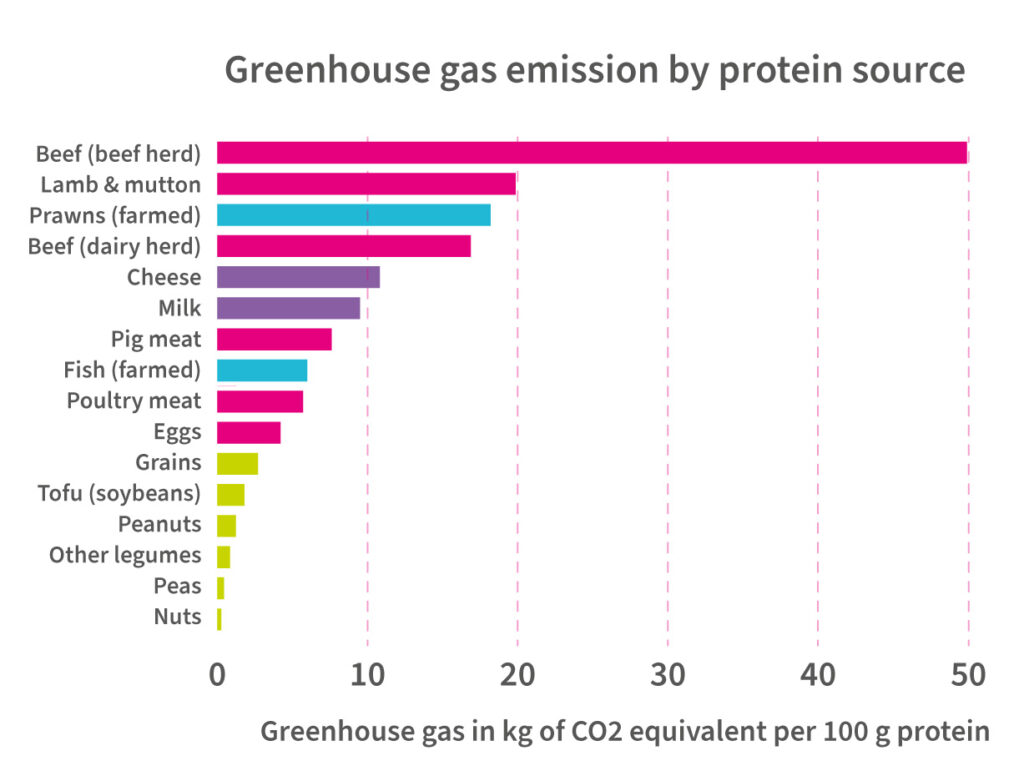
With 54% of EU consumers believing in the environmental benefits of plant-based food alternatives2, the sustainability argument for plant-based diets is robust. The production of meat, dairy, and eggs accounts for nearly 15% of global greenhouse gas emissions, surpassing the entire transportation sector.5 In contrast, plant-based alternatives offer a dramatically lower carbon footprint; for instance, a plant-based protein’s emissions derived from grains are eight times less than those of beef.6 The potential environmental impact of shifting towards plant-based diets is profound, promising significant reductions in greenhouse gas emissions and a more sustainable food system. Reaching sustainability goals is possible with the use of teff from Blonk Quality Ingredients which besides making the planet happy, it also has plant based application versatility.
Navigating product development challenges: The taste factor
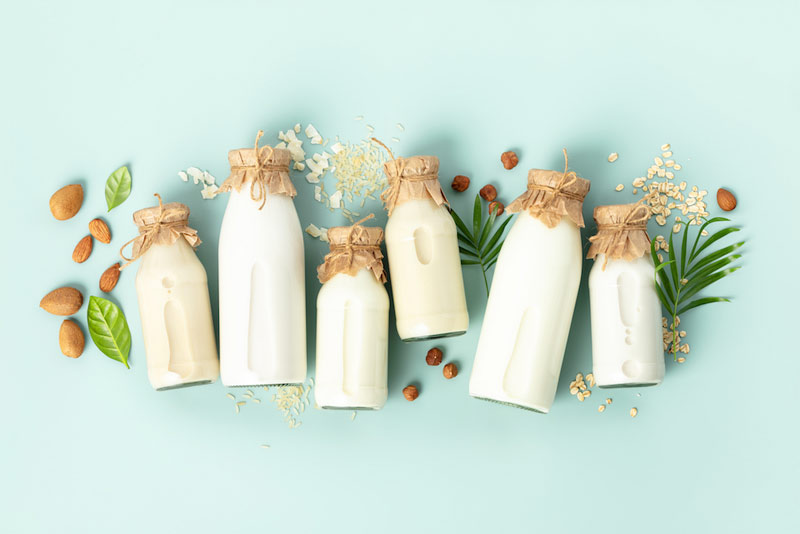
Taste remains the foremost consideration for European consumers when choosing plant-based foods, with 53% ranking it as their top priority.2 Sensory studies7 reveal a desire for plant-based milk and yoghurt alternatives to offer a more refined taste profile, suggesting less sweetness and a reduction in grainy or beany flavours. For plant-based yoghurt, a preference for a fresher, more sour taste indicates a gap between current offerings and consumer expectations. Including masking systems in your formulations like the one from Nexxus Foods is the right approach to address taste challenges caused by bitter notes from plant based ingredients.
Trust and taste: Transparency as growth opportunity
Transparency is a cornerstone of consumer trust, with 63% of Europeans seeking clearer product certifications.2 The demand for non-GMO plant-based proteins is particularly strong, reflecting a broader preference for natural, organic food products. Brands that prioritise transparency, from sourcing to product labelling, stand to gain significantly in a market where integrity and trustworthiness are increasingly valued. So choosing hydrolyzed plant proteins like the ones from Timmer’s Food Creation, that are natural, non-GMO and are suitable for various diets, create a trust bond with the consumers while enriching the product’s taste profile.