
- Posted on:
- Reading time:

What is umami
Umami is a Japanese word that translates to “pleasant savoury taste.” It is a taste sensation that is distinct from the four primary tastes: sweet, sour, salty, and bitter. The umami taste is often described as savoury, meaty, or brothy, and it is known for creating a sensation of fullness and satisfaction in the mouth.
What does umami taste like?
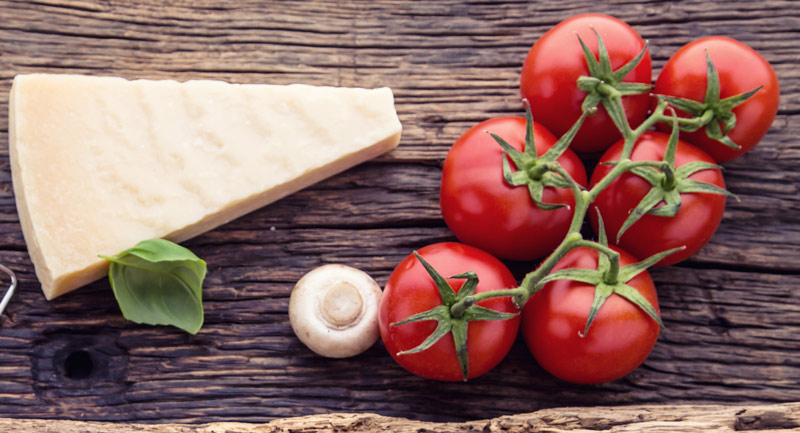
Umami taste is created by glutamate, an amino acid that occurs naturally in many foods. Foods that are high in glutamate, such as tomatoes, mushrooms, and Parmesan cheese, have a pronounced umami flavour. Umami taste is often described as a round, full-bodied taste that lingers on the tongue.
Umami in everyday food
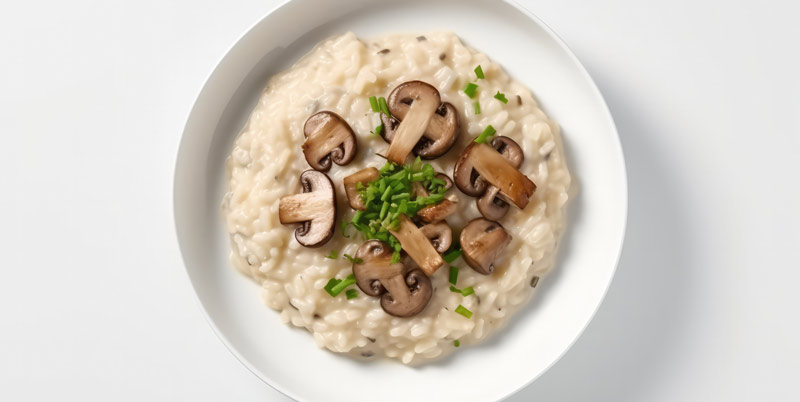
Umami taste is a common flavour in many everyday foods, from tomato-based pasta sauces to meaty stews and soups. Adding umami-rich ingredients, such as soy sauce, anchovies, or mushrooms, can elevate the flavours of your dishes and make them more satisfying. You can also create umami taste by slow-cooking meat or vegetables, as this process releases the natural glutamates and enhances the umami flavour.

Umami flavour in food manufacturing
Food manufacturers have been using umami flavour for years to enhance the taste of their products. Umami taste is often added to processed foods, such as snacks, soups, and sauces, to make them more flavourful and appealing to consumers. Monosodium glutamate (MSG) is a popular food additive that is used to create umami flavour in processed foods.
The difference between umami and MSG
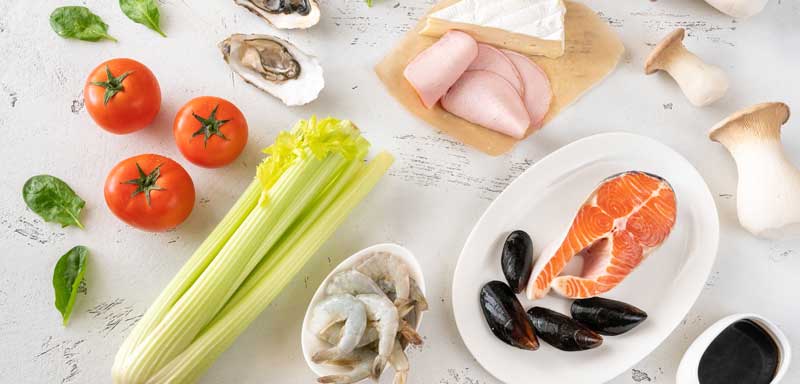
MSG is often associated with umami taste, but they are not the same thing. While glutamate is the compound responsible for umami taste, MSG is a chemically synthesized version of glutamate. Many people have reported adverse reactions to MSG, such as headaches, flushing, and sweating, which has led to its controversial status as a food additive. However, consuming foods high in naturally occurring glutamates, such as tomatoes, mushrooms, or Parmesan cheese, is generally considered safe and can provide the same umami taste without the risk of adverse reactions.