- Posted on:
- Reading time:
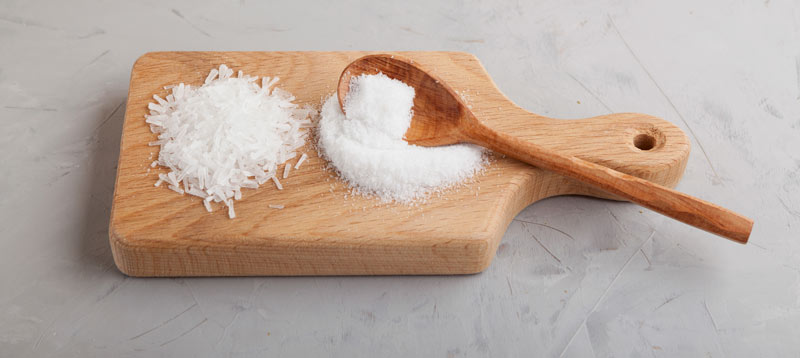
What is MSG
MSG is a white crystalline powder that is derived from glutamic acid, an amino acid found naturally in many foods. It was first isolated in 1908 by Japanese scientist Kikunae Ikeda, who identified it as the source of the umami taste. MSG has a chemical structure similar to that of table salt, and it dissolves easily in water.

What does MSG taste like?
MSG is known for its ability to enhance the umami taste in food. Umami is the fifth basic taste and is often described as a savory or meaty flavour. When added to food, MSG intensifies the umami taste, making it more pronounced. MSG doesn’t have a taste of its own, but it enhances the flavor of other ingredients in the dish.
What does MSG do?
MSG works by stimulating the taste buds on the tongue and enhancing the umami taste. It does this by activating the glutamate receptors in the mouth, which send a signal to the brain that intensifies the umami taste. MSG is also known to enhance the perception of other flavours, such as sweet and sour.

MSG in food
MSG is a common ingredient in many dishes worldwide, especially in Asian cuisine. It’s often used in soups, stews, and sauces to enhance the flavour of the dish. MSG is also used in processed foods such as snacks, frozen meals, and canned soups. It’s added to these foods to improve the taste and extend their shelf life.
MSG in beverages
While MSG is primarily used in food, it’s also found in some beverages. In some cultures, MSG is added to tea to enhance the flavour. It’s also used in some sports drinks to improve the taste.

Disadvantages of MSG
Although MSG is a widely used ingredient, there is a desire to replace MSG in food that stems from several reasons. Firstly, MSG sensitivity can cause adverse reactions in some individuals. Secondly, the overuse of MSG is linked to unhealthy processed foods. Additionally, consumers increasingly prefer cleaner, more natural ingredients. Replacing MSG encourages culinary creativity and the use of natural flavorings.