- Posted on:
- Reading time:
Sugar reduction: Innovative ingredients for food producers

This blog is the fourth of the “1-2-Taste healthy food making” series which addresses personalised nutrition, clean label food and much more.
In this fourth article, we explore sugar reduction strategies providing guidance on different sugar substitutes.
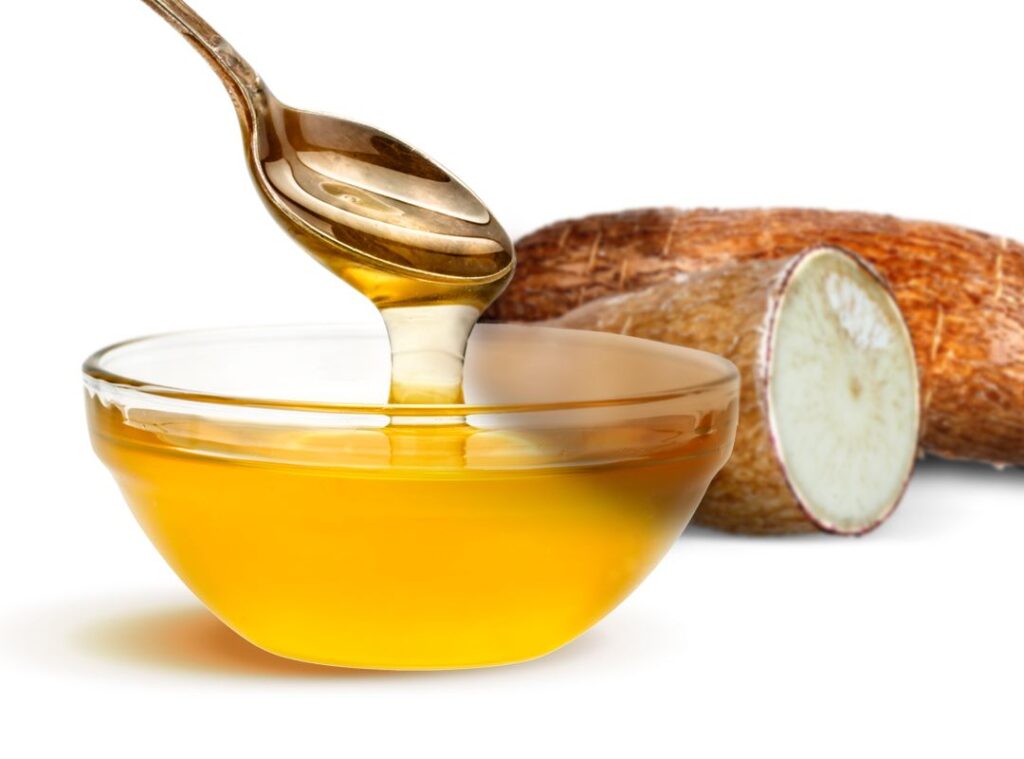
Reducing sugar with natural syrups
Syrups provide significant bulking benefits compared to artificial sweeteners and serve as excellent alternatives for partial or total sugar reduction. IMAG’s Agave syrup is a natural sweetener with a low glycaemic index, primarily composed of fructose. It offers sweetening power, helps control weight, and aids in blood glucose management. Highly functional, agave syrup provides taste, mouthfeel, texture, and sweetness without an aftertaste. Its high solubility makes it an excellent binding agent, and with a glycaemic index of 17.1, it serves as an ideal substitute for sugar and honey.
Tapioca and corn syrups, such as FiberSMART, act as dietary fibres with added benefits. These sweeteners are a resistant dextrin with a low glycaemic response, exceptional tolerability, and low water-binding capacity. They are about 20% as sweet as sugar and can be consumed up to 70 grams per day without adverse effects.
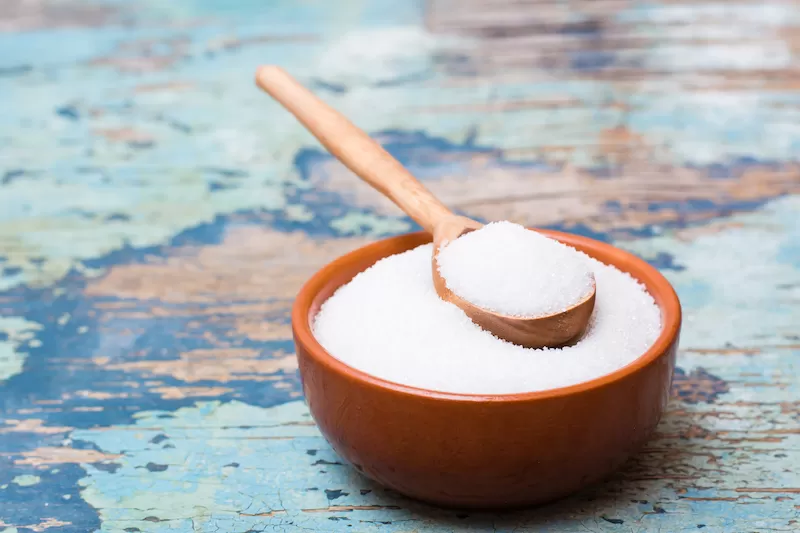
Erythritol: No sugar, no calories
Erythritol is a zero-calorie sweetener with a clean, sweet taste, gaining popularity for its ability to replace sugar’s bulk in reduced-sugar formulations. It offers approximately 65% of the sweetness of sucrose, does not cause tooth decay, and is non-toxic and non-carcinogenic at food usage levels.² Erythritol has a high digestive tolerance, negligible effect on blood sugar, very low glycaemic index, and high stability to heat, pH, and chemicals. This makes it suitable for a variety of food categories, including beverages, bakery, frozen products, confectionery, bars, dairy, and gluten-free baked goods.
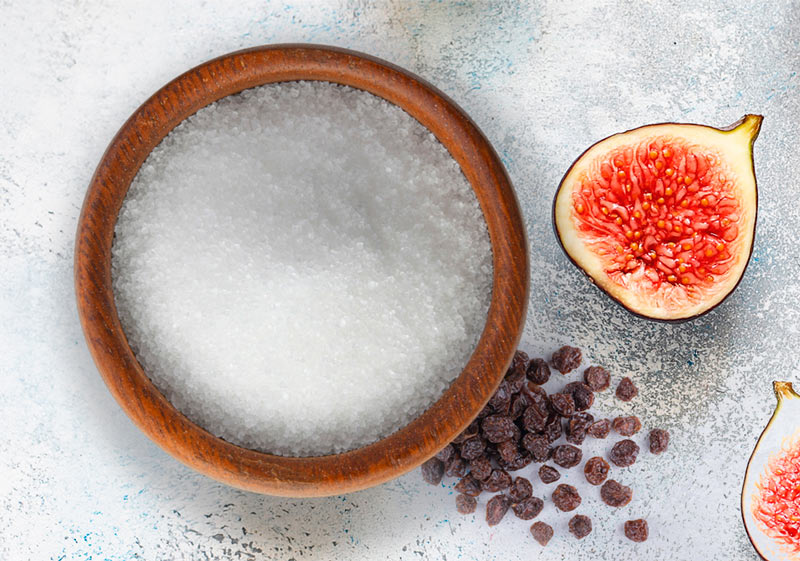
Allulose: The future star ingredient in sugar reduction?
Allulose is a low-glycaemic, low-calorie sweetener that replicates the sensory and functional properties of sugar with only 0.4 calories per gram. Providing 70% of the sweetness of sucrose, it is an excellent option for sugar reduction in various applications. Allulose browns during baking, lowers the freezing point in frozen products, and disperses well in batters and doughs. Anderson’s AllSWEET Allulose line harnesses these benefits, being recognised by the body as a simple sugar that is not metabolised, thus having no impact on blood glucose levels. For labelling purposes, it is declared simply as allulose. While awaiting regulatory approval in Europe, many manufacturers are already experimenting with it in anticipation of the green light, and so should you.