You can convert your cart contents into a quote request.

How to revolutionize your desserts with allulose

  • Posted on:
  • Reading time:

Consumers nowadays are demanding more from desserts. They want indulgence without guilt, sweetness without sugar, and clean labels that mean something. That’s where allulose comes in. If you haven’t experimented with this rare sugar yet, now’s the time.

At 1-2-Taste, we’ve seen product developers and procurement professionals in India start looking beyond stevia and erythritol. Allulose is leading that shift. Not just because it’s low in calories, but because it acts just like sugar without all the baggage.

image

What makes allulose so special?

Allulose isn’t just another sweetener

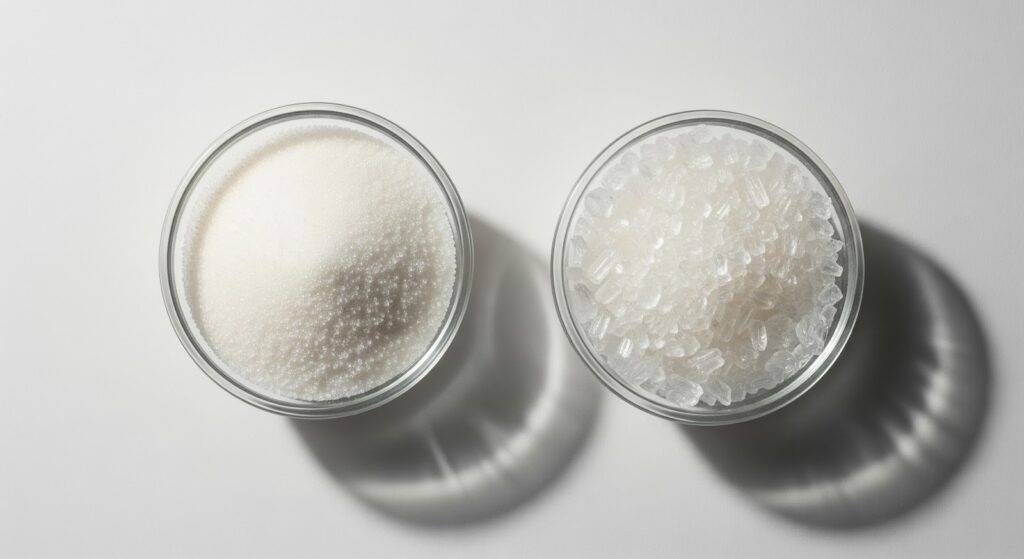
Allulose is found naturally in things like raisins, jackfruit, and figs. It looks and tastes like sugar, but your body doesn’t metabolize it the same way. This means you get the sweetness, but without the calorie hit. It has only about 0.4 calories per gram, which is 90 percent less than regular sugar.

Compared to sugar, here’s what changes

Unlike most sugar substitutes, allulose has zero glycemic impact. It doesn’t spike blood sugar or insulin levels, which makes it perfect for products targeted at diabetics or consumers following a low-GI or keto diet.

image

Why allulose deserves a place in your product line

Lower calories without losing taste

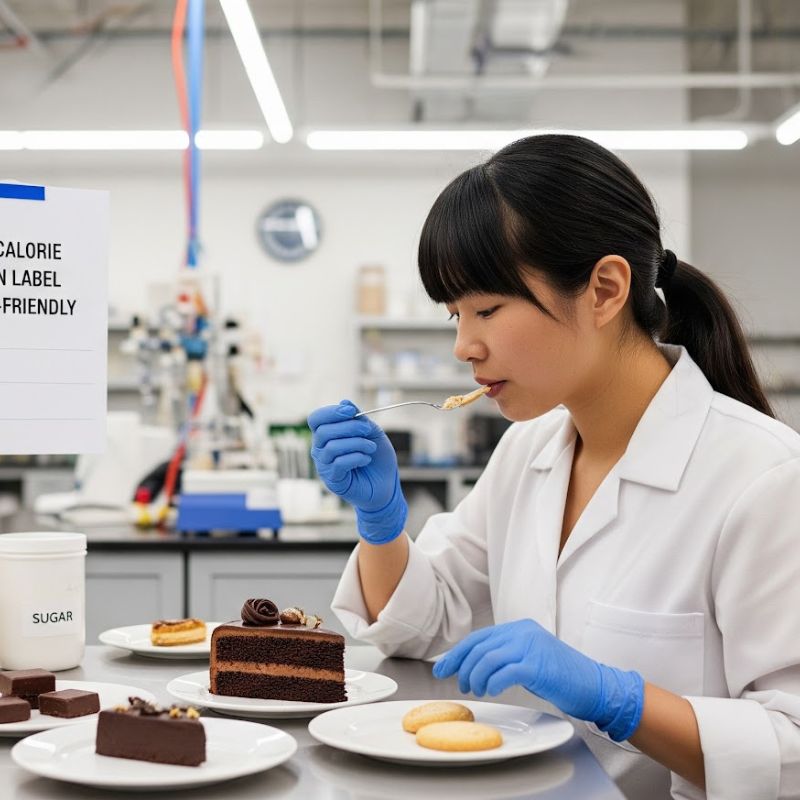
Think about your current formulations. Now, imagine taking out the sugar and replacing it with something that still gives you bulk, texture, and flavor. That’s allulose. It helps you cut calories while maintaining the mouthfeel consumers expect in cakes, ice creams, and other desserts.

Clean, keto, and consumer-approved

Consumers don’t want chemicals. They want natural, clean-label options that align with their diets. Allulose fits perfectly into keto-friendly, diabetic-safe, and clean-label claims. No marketing stretch needed.

No aftertaste, no complaints

We all know how tricky aftertaste can be. With stevia or monk fruit, it’s always a balancing act. Allulose avoids that problem altogether. The taste is smooth and clean, with no bitterness or strange linger.

image

Where can you use allulose in desserts?

Perfect fit for bakery products

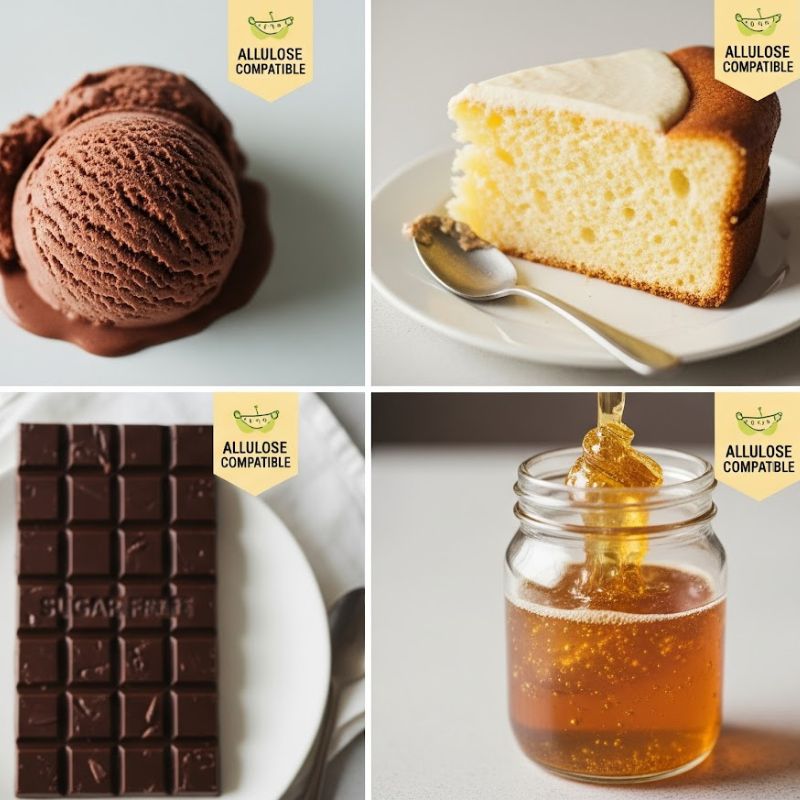
Cookies, brownies, muffins, and sponge cakes. Allulose works well in baking because it holds moisture, browns evenly, and adds volume just like sugar. You don’t need to change much in your recipe.

A creamy upgrade for ice cream makers

In frozen desserts, allulose is a game-changer. It keeps the texture smooth, helps control crystallization, and even improves scoopability straight from the freezer. It’s ideal for high-protein or low-carb ice creams too.

Chocolatiers, take note

If you’re making sugar-free chocolate or caramel, you know how tough it is to find a sweetener that doesn’t mess with tempering or melting behavior. Allulose melts evenly, doesn’t create a gritty texture, and blends beautifully into chocolate.

Sauces, syrups, and more

Making jams, jellies, or dessert sauces? Allulose gives a rich mouthfeel and doesn’t crystallize during storage. It also mixes well with flavors, making it perfect for layered desserts and beverage toppings.

image

Can i replace sugar with allulose in desserts?

Yes, and here’s how you can do it right

Yes, you absolutely can. Allulose behaves a lot like sugar in cooking and baking. From a structural perspective, it helps with browning, bulk, and binding. So whether you’re baking a cheesecake or preparing a compote, it fits right in.

The allulose to sugar ratio you should know

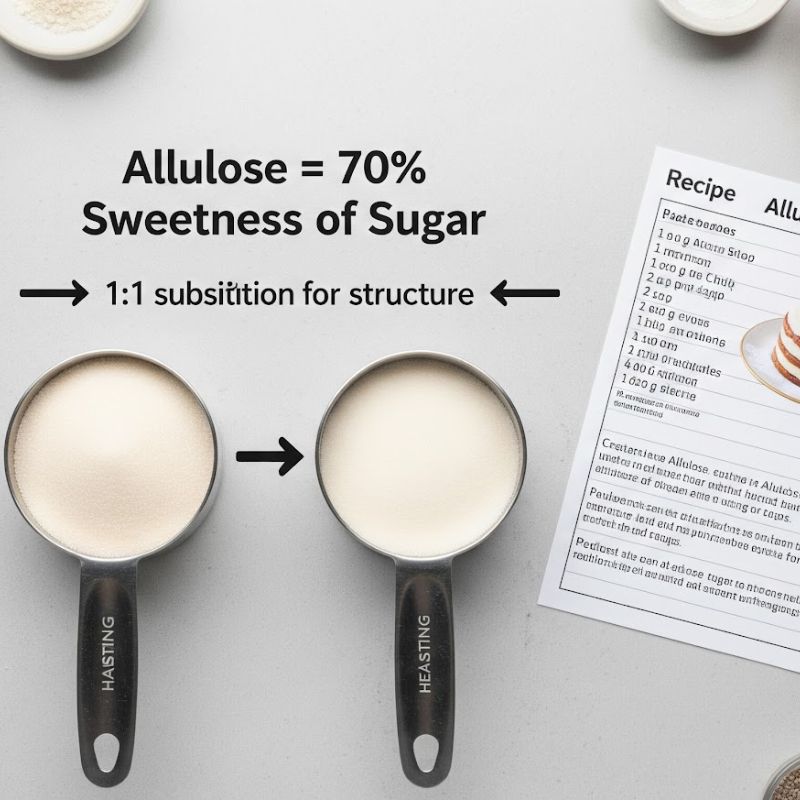
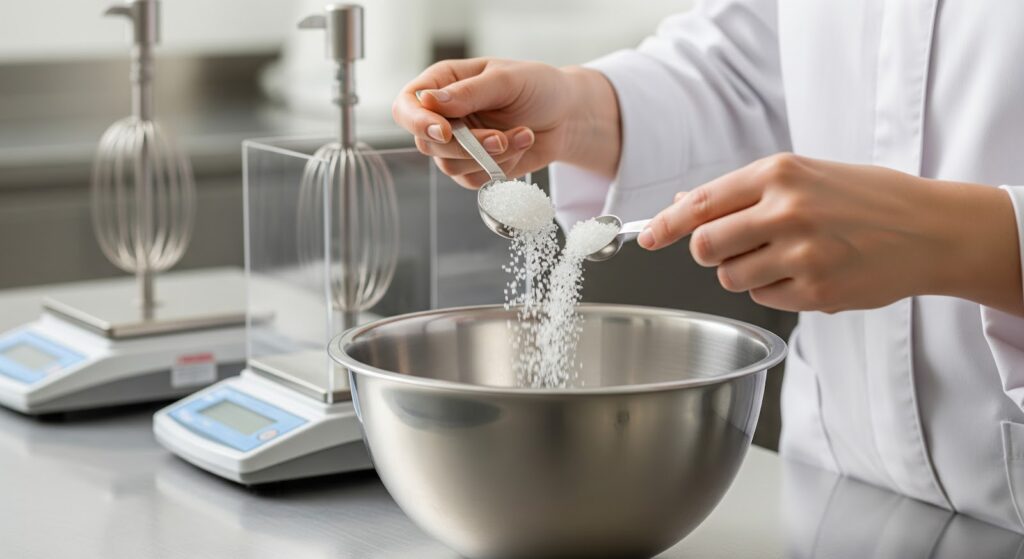
Allulose is about 70 percent as sweet as regular sugar. If you’re using it on its own, you might want to increase the quantity slightly or combine it with a natural high-intensity sweetener like stevia for the right sweetness level. But structurally, a 1:1 replacement usually works just fine.

image

Will allulose caramelize like sugar?

It actually does. Here’s proof

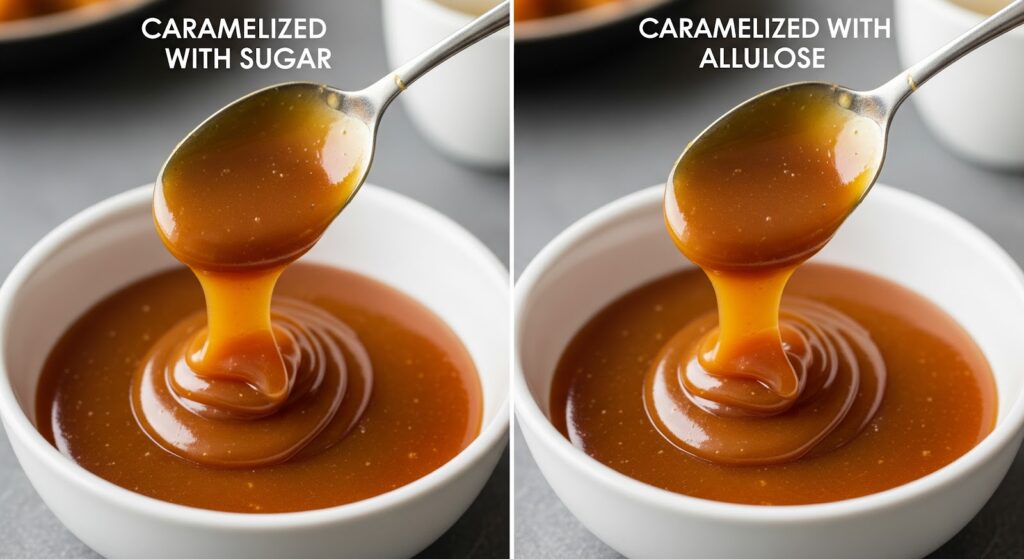
Yes, it does. This is where allulose shines compared to other sweeteners. You can get a golden-brown crust on cakes and cookies. You can make caramel sauce that behaves like real caramel. It doesn’t burn too quickly and creates that rich, roasted flavor we associate with classic desserts.

Manufacturers we work with on 1-2-Taste are already using allulose in brittles, pralines, tarts, and toppings, with great results.

image

What’s the best way to use allulose?

Straight up or as a blend

There’s no one-size-fits-all answer. If you’re developing a dessert with mild sweetness, you can use crystalline allulose directly. If you’re creating a full-sugar replacement, consider blending allulose with monk fruit or stevia to balance sweetness and cost.

Either way, it’s easy to work with and won’t require major changes in your processing line.

image

The go-to allulose option we recommend

Try allsweet® crystalline powder on 1-2-taste

If you’re looking for a tested and high-quality allulose for commercial use, we recommend:

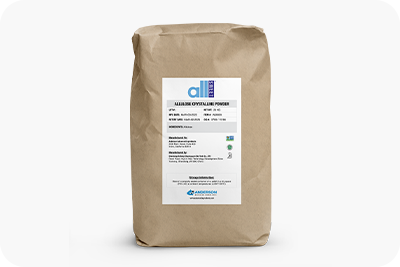
AllSweet® allulose crystalline powder

This product by Anderson Advanced Ingredients is FSSAI-approved, clean-label, and perfect for large-scale dessert applications. You can request a sample directly on 1-2-Taste, and our team will ensure you get all the documentation and support needed for R&D and procurement.

Wrapping it up

Allulose is not just a trend. It’s a strategic ingredient that helps you develop smarter, cleaner, and more marketable desserts. Whether you’re reformulating an existing product or working on your next launch, this sweetener gives you the edge.

At 1-2-Taste, we’re here to help you make that transition easier. From quick sampling to full-scale sourcing, we provide the support you need to innovate faster and smarter.

Looking to try it? Go ahead and explore AllSweet® Allulose today.

FAQs

Yes, allulose is a versatile sugar substitute. You can typically swap it in at a 1:1 ratio for structure, but adjust for sweetness as needed.

Yes, allulose caramelizes well and gives the same browning and flavor development you expect from sugar.

The best way is in crystalline form for baking or blended with other natural sweeteners for more complex products. Start with the version offered on 1-2-Taste.

Allulose is 70 percent as sweet as sugar. You can use it in a 1:1 ratio for structure, but you might need to tweak the sweetness depending on the recipe.

Yes, allulose has been approved by FSSAI for use in food products. It’s considered safe and is already being used by several Indian manufacturers.