You can convert your cart contents into a quote request.

How to reduce sodium but maintain the taste in your applications

  • Posted on:
  • Reading time:

Let’s be honest—salt is essential. It’s the ingredient that brings out the best in almost every recipe. But in the food industry, it’s also become a red flag. Consumers want healthier products, and sodium is usually the first thing they look for on the label. The problem? Reducing salt often means sacrificing taste.

Here at 1-2-Taste, we work with food brands navigating this exact challenge. So how do you lower sodium and still keep your food delicious? Let’s walk through it.

image

Why reducing sodium matters more than ever

Customers are asking for it

People are more aware than ever about what goes into their food. Sodium, linked to heart disease and high blood pressure, is under major scrutiny. Consumers want less of it—but without giving up flavor.

Processed foods carry hidden sodium

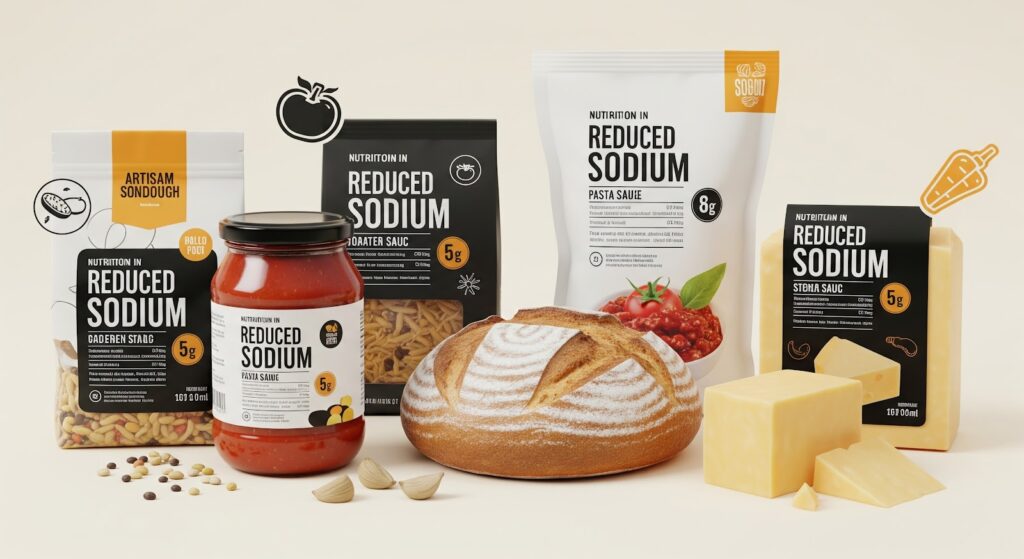
It’s not just chips and fries. Everyday items like bread, cheese, sauces, and ready meals are loaded with salt. That’s why even products that seem “healthy” can pack a sodium punch. If you’re in product development, this is where it gets tricky.

Why cutting salt isn’t so simple

Salt’s role goes beyond flavor

Sure, it tastes good—but salt also helps with texture, preservation, and balance. Take it out, and you risk ruining your product’s structure or shelf life.

The real struggle: keep the taste

Anyone can remove salt. The real challenge is making sure your product still tastes just as good after you do. That’s where thoughtful formulation and the right ingredients come into play.

What actually works in real-world formulations

1. Cut it slowly

Reducing sodium gradually lets consumers adjust their palates without noticing a huge difference. It’s a simple yet effective trick.

2. Add supporting flavors

Natural flavor enhancers—like yeast extracts, umami boosters, or spices—can make up for the reduced saltiness.

3. Use mineral blends

Blends with potassium, magnesium, or calcium salts offer a similar taste and texture, without overloading on sodium.

4. Embrace potassium salt

This is where things get interesting. Potassium salt helps you cut sodium while delivering similar results. Bonus? It’s better for heart health too.

Say hello to salt for life®: a better option

Why it’s worth trying

Developed by NuTek Natural Ingredients, Salt for Life® is built with potassium salt at its core. If you’re aiming to reduce sodium without making your food taste bland, this is a top choice. And yes—you can get it directly through 1-2-Taste.

FSSAI-Approved and label-friendly

No aftertaste. No odd ingredients. Just a clean-label product that performs well across a range of food applications.

Check out these options:

Real applications: where these products shine

Trusted in multiple categories

Salt for Life® has already proven successful in a variety of categories:

  • Fresh and packaged breads
  • Processed cheese
  • Ready meals and frozen dinners
  • Sauces and dips
  • Savory snacks

These salts blend easily and adapt well to existing formulations, which helps reduce your R&D time.

Trends to watch in sodium reduction

Regulation is tightening

More countries are rolling out mandatory sodium warnings on packaging. Getting ahead of this trend means you avoid last-minute reformulations down the road.

Works with functional and plant-based foods

Plant-based and protein-forward products are booming—and they still need to taste great. Potassium-based salts make a strong case for both performance and nutritional value.

image

Final thoughts

If you’re working in food R&D, product development, or procurement, sodium reduction probably isn’t new to you. But now, with more tools available, you can make the shift without major trade-offs.

Products like Salt for Life® give you the chance to lower sodium levels while keeping flavor, texture, and stability right where you need them. At 1-2-Taste, we’re here to help you try these options and see what works best.

Ready to experiment? Request a sample today and start creating better, lower-sodium food products without compromise.

Frequently asked questions

Gradual changes combined with potassium salt replacements and flavor enhancers make the transition smoother without harming taste.

Keep an eye on packaged foods, use less salt in recipes, and look for smart alternatives like Salt for Life® in commercial products.

Choose foods with lower sodium content, cook with fresh ingredients, and use potassium-based salts instead of regular table salt.

Salt for Life® is a strong candidate—it’s clean-label, FSSAI-approved, and helps reduce sodium while offering functional performance.

For the most part, yes. It works across baked goods, dairy, sauces, and ready meals. But like anything, test it in your recipe first.