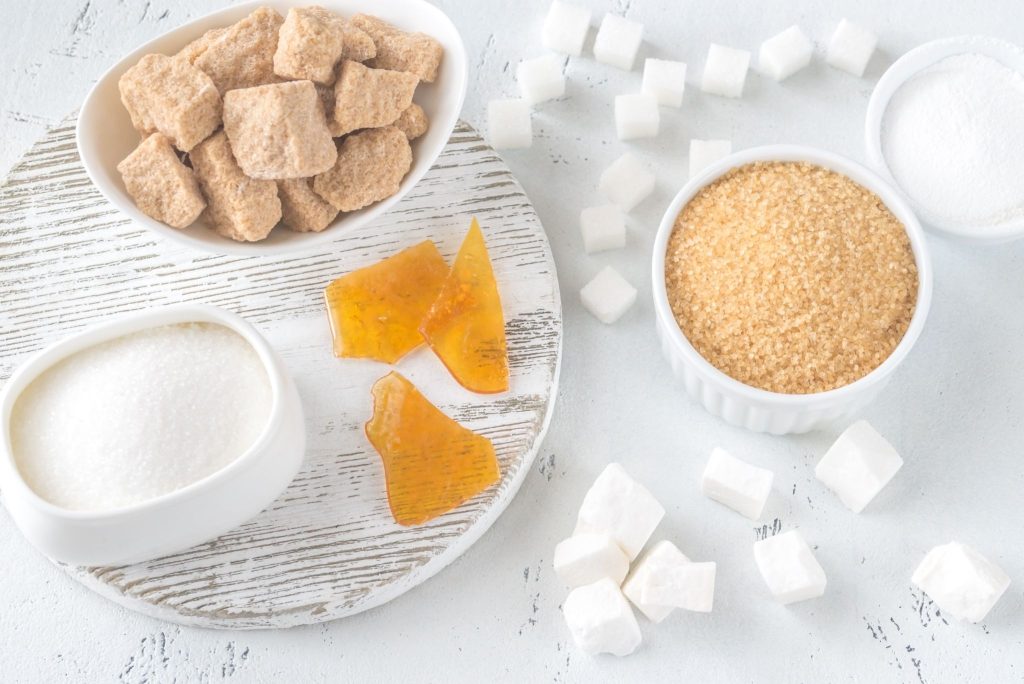
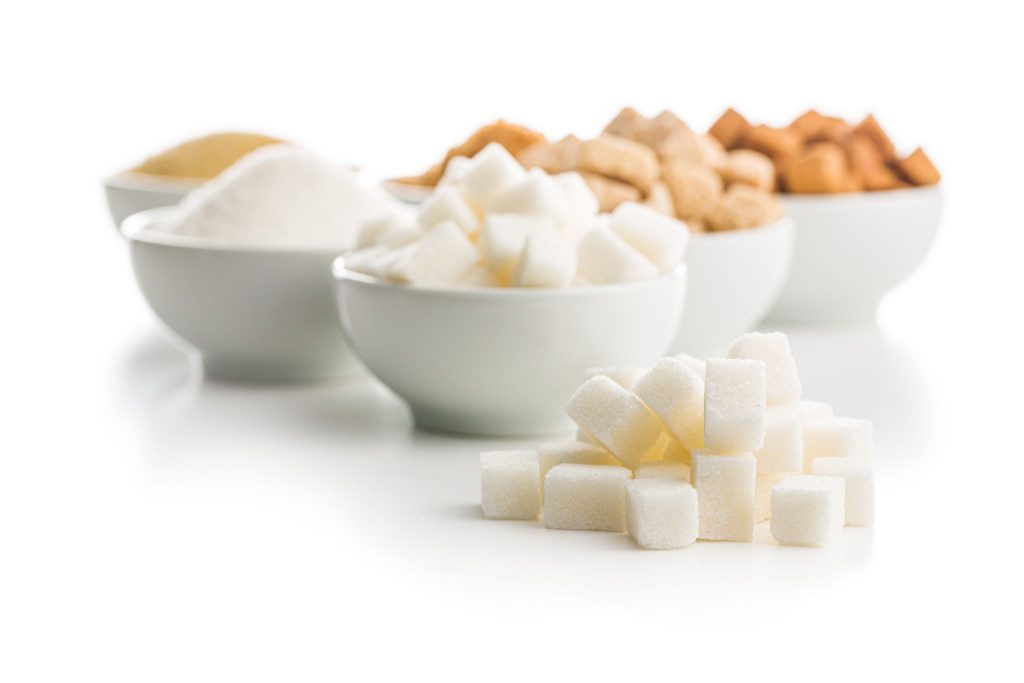
The challenge of reducing sugar without affecting taste
Reducing sugar sounds simple on paper. In reality, sugar does much more than add sweetness.
Why consumers still expect indulgent flavors
Consumers may say they want healthier products, but their taste buds still expect satisfaction. If a reduced-sugar product tastes artificial or watery, repeat purchases drop quickly.
Taste remains the final decision-maker.
The impact of sugar on texture and mouthfeel
Sugar contributes to body, browning, bulk, moisture retention, and mouthfeel. Removing it completely can leave products tasting thin or dry.
That is why successful sugar reduction requires a formulation strategy instead of a single ingredient replacement.
What do companies use instead of sugar?
Modern manufacturers rely on a combination of sweeteners and formulation technologies to maintain product quality.
Allulose as a next-generation sugar alternative
One of the most promising solutions today is AllSweet Allulose Crystalline Powder.
Allulose delivers a clean sugar-like taste with significantly fewer calories. It also provides excellent functionality in beverages, bakery, and dairy applications. Unlike some artificial sweeteners, allulose does not leave a strong aftertaste, which makes it highly attractive for premium formulations.
For manufacturers, this means better sweetness performance without compromising the consumer experience.
Stevia for clean sweetness
Another widely used option is AudinaSweet Optimized Stevia AG3240.
Stevia has become popular because it is plant-derived and aligns well with clean-label positioning. Modern optimized stevia solutions now offer improved taste profiles with reduced bitterness compared to earlier generations.
This makes stevia highly effective for beverages, functional drinks, flavored dairy products, and wellness-focused food categories.
Erythritol for balance and bulk
Many manufacturers also combine sweeteners with polyols such as PolySweet Erythritol 100 Mesh Powder.
Erythritol helps create bulk and mouthfeel while supporting sweetness balance. It works especially well when paired with stevia or allulose, helping reduce aftertaste and improve overall flavor harmony.
Think of it like an orchestra. One instrument alone rarely creates a masterpiece. But when ingredients work together, the final experience becomes smooth and complete.
What are some effective strategies to reduce sugar in formulation?
Successful sugar reduction depends on a layered approach.
Combining sweeteners for better taste performance
The best formulations rarely rely on a single sweetener. Blending ingredients creates a more rounded sweetness profile while improving stability and texture.
For example, combining allulose with erythritol and stevia can help manufacturers mimic traditional sugar performance more effectively.
Flavor modulation techniques
Flavor houses and R&D teams now use modulators to mask bitterness and enhance sweetness perception naturally.
This allows brands to reduce actual sugar levels while maintaining the same perceived sweetness intensity.
Gradual sugar reduction strategy
Some brands succeed by reducing sugar gradually over multiple product iterations instead of making dramatic changes overnight.
Why step-by-step reformulation works
Consumers adapt surprisingly well to gradual sweetness reduction. A sudden 40% sugar cut may create rejection. A phased reduction often goes unnoticed.
That approach protects both product acceptance and brand loyalty.
How to make food taste good without sugar?
This is where formulation science becomes both technical and creative.
Improving mouthfeel and texture
Hydrocolloids, fibers, and polyols can help restore the body and texture lost during sugar reduction.
Texture matters more than many manufacturers realize. If a beverage feels thin or a dessert lacks richness, consumers immediately notice the difference.
Enhancing aroma and flavor perception
Aroma strongly influences sweetness perception. Vanilla, fruit extracts, cinnamon, and dairy notes can naturally enhance the impression of sweetness without increasing sugar levels.
It is similar to how lighting changes the mood of a room. The ingredients surrounding sweetness influence how consumers experience flavor.
Using acidity and salt balance effectively
Careful balancing of acids and salt can amplify sweetness perception and improve flavor clarity.
Small formulation adjustments can create surprisingly large sensory improvements.
What are the requirements to reduce sugar?
In food science, a reducing sugar is a sugar capable of acting as a reducing agent because it contains a free aldehyde or ketone group.
Common examples include glucose, lactose, and fructose.
Understanding reducing sugars in food science
Reducing sugars play important roles in browning reactions, flavor development, and fermentation processes.
This becomes especially important in bakery, confectionery, and processed food applications.
Why reducing sugar knowledge matters in formulation
Understanding reducing sugar behavior helps R&D teams predict texture, color, shelf life, and processing performance during reformulation.
Without this knowledge, sugar reduction projects can become inconsistent or commercially risky.
Why ingredient sourcing matters for manufacturers
A great formulation is only as strong as the ingredient quality behind it.
Manufacturers today need reliable sourcing partners who understand application challenges, scalability, regulatory expectations, and sensory performance.
Low-cost ingredients that fail in stability or taste often become expensive mistakes later.
How 1-2-Taste supports sugar reduction innovation
At 1-2-Taste, we help manufacturers discover smarter ingredient solutions for modern food and beverage development.
Our portfolio includes advanced sweetening systems such as allulose, optimized stevia, and erythritol that support reduced-sugar innovation without compromising product appeal.
Whether your team is developing beverages, dairy products, confectionery, bakery applications, or functional nutrition products, the right ingredient strategy can make the difference between a product that merely exists and one that consumers repeatedly buy.