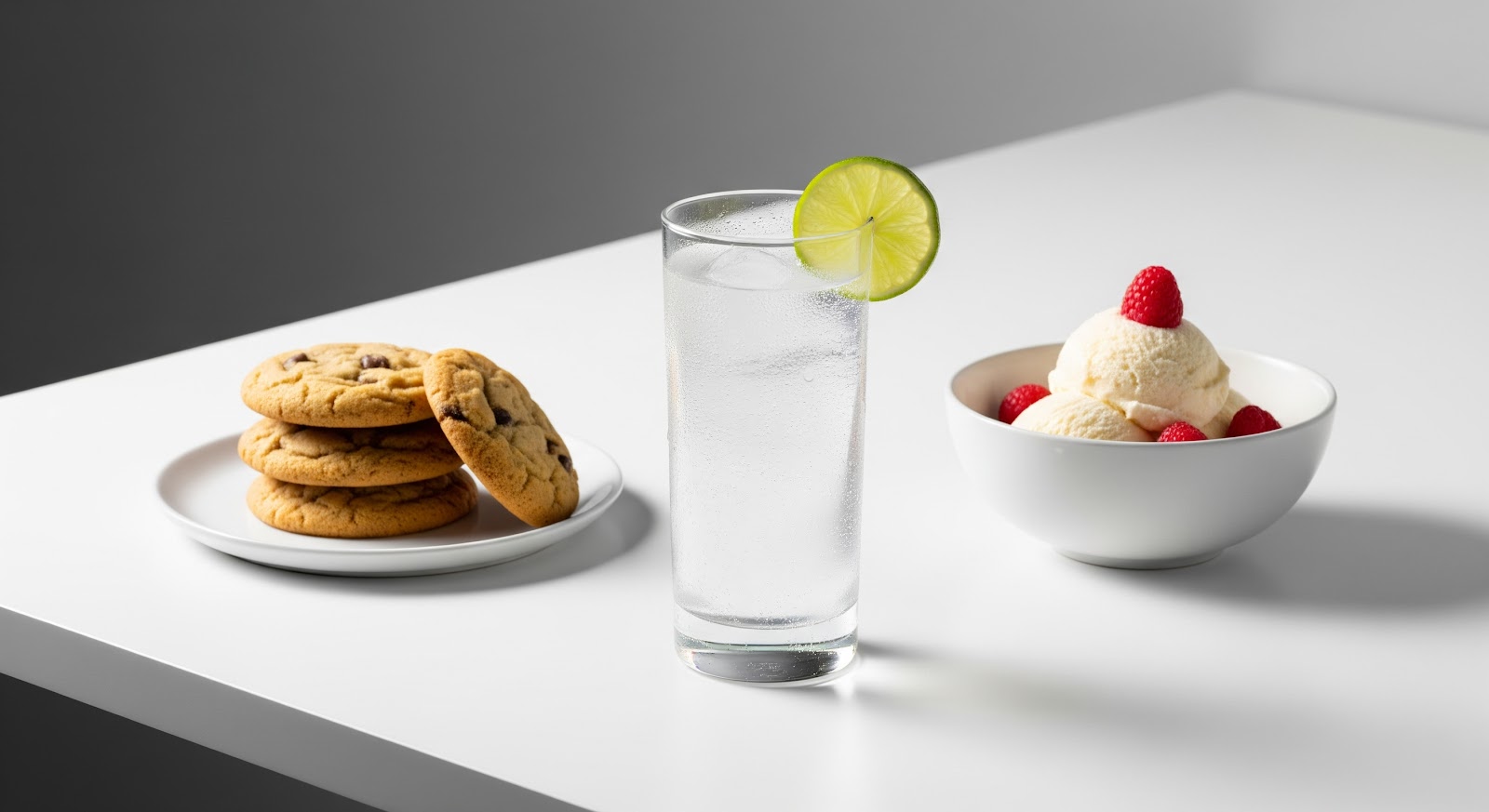
Why the F&B industry is paying attention
Food companies today want sweeteners that offer:
- Low calorie content
- A sugar-like taste
- Clean label acceptance
- Functional performance
- Compatibility with large-scale manufacturing
Allulose ticks all these boxes. With more brands moving toward health-conscious formulations, a sweetener like allulose fits right into the future of smart product development.
Understanding the science behind allulose
How allulose compares to regular sugar
Allulose provides around 70 percent of the sweetness of sucrose while delivering nearly zero calories. It offers:
- Similar mouthfeel
- Similar bulk properties
- Similar solubility
- Better metabolic response
This makes it extremely attractive for product developers working on reduced sugar or sugar free innovations.
Allulose vs stevia
This comparison comes up all the time. Stevia is a popular natural sweetener, but it has a noticeable aftertaste and does not provide bulk. On the other hand:
- Allulose is much closer to sugar in taste
- It blends well with other sweeteners
- It supports browning, texture, and mouthfeel
- It has no bitterness
If your goal is to create premium sugar reduced products without compromising taste, allulose often wins over stevia as a standalone sweetener.
Is allulose unhealthy
This is a common concern, but research shows that allulose is safe for consumption. Since the body absorbs but does not metabolize it, allulose passes through without contributing calories or causing spikes in insulin.
Regulatory bodies in several countries classify allulose as safe. When used in appropriate quantities, it is considered suitable for everyday consumption.
Is allulose safer than stevia
Both are considered safe, but they differ in function and taste. Many formulators prefer allulose because it behaves like sugar and does not bring the bitterness associated with stevia. Stevia works best when used in combination with other sweeteners, and allulose helps bridge that gap.
From a taste experience perspective, many consumers perceive allulose as the more pleasant option.
Functional advantages of allulose in food applications
Sweetness profile and taste experience
Allulose offers a clean, sugar like sweetness that feels smooth and familiar. This is one of its biggest advantages. Unlike many alternative sweeteners, it does not have a lingering or metallic aftertaste.
Allulose in F&B formulations
Is allulose suitable for baking
Absolutely. Allulose is one of the most versatile ingredients for baking applications.
Browning, caramelization, and texture benefits
Allulose caramelizes and browns almost like regular sugar, which is a huge advantage for:
- Cookies
- Cakes
- Muffins
- Breads
- Pastries
It improves moisture retention and reduces dryness, helping bakers achieve a better bite and texture.
This is why interest in allulose for bakery applications is growing rapidly.
Is allulose suitable for beverage formulation
Yes, allulose works very well in beverages.
Stability, solubility, and mouthfeel
Allulose dissolves easily and remains stable in both hot and cold beverages. It provides a sugar-like mouthfeel that enhances:
- Juices
- Sports drinks
- Flavored waters
- Energy drinks
- Functional beverages
It helps formulators create drinks with reduced calories while maintaining a natural sweetness.
Allulose for frozen desserts
A lesser-known advantage is its role in frozen desserts.
Control of ice crystal formation
Allulose helps manage ice crystal growth, improving the smoothness and scoopability of:
- Ice creams
- Gelatos
- Frozen yogurts
This makes it an excellent choice for developers looking to reduce sugar while maintaining premium texture.
Best practices for using allulose in recipes and industrial formulations
Ideal usage levels and combinations
Most commercial formulators use allulose at 50 to 100 percent of the sweetness strength of sugar, depending on the desired result. It blends well with stevia and monk fruit to create lower cost sweetener systems.
Managing browning and moisture
Because allulose browns faster than sugar, bakeries often adjust baking temperatures slightly. Lower heat for a longer duration usually gives the best results.
Moisture retention improves with allulose, so hydration levels may need small adjustments.
Scaling recipes for industrial production
Allulose behaves predictably at scale, which is why many industrial allulose suppliers highlight its consistency. Whether you manufacture beverages, baked goods, or frozen desserts, allulose supports stable and repeatable production cycles.
Why allulose is gaining ground in India
Growth of health-driven consumer demand
Customers across India are now more conscious about sugar intake. This shift encourages brands to explore better alternatives that do not compromise taste.
The rise of bulk allulose suppliers and allulose manufacturers
With demand growing, the supply chain is strengthening. More companies are entering the space as:
- Bulk allulose suppliers
- Allulose manufacturers
- Industrial allulose suppliers
This gives procurement teams more freedom to explore better pricing and higher quality products.
Benefits for procurement teams and R&D heads
Allulose enables:
- Cost-effective sugar reduction
- Improved product quality
- Faster R&D trials
- Premium tasting formulations
- Clean label marketing
This makes it a strategic ingredient for future-ready product lines.
How 1-2-Taste helps you access high-quality allulose
The best allulose product for commercial use
At 1 2 Taste, we make it easy for F&B brands to explore, test, and buy allulose from trusted suppliers. One of our most recommended products is the Allsweet Allulose Powder, suitable for a wide range of food formulations.
Why choose Allsweet Allulose Powder
Allsweet Allulose Powder is known for:
- High purity
- Excellent solubility
- Clean taste
- Reliable performance in baking, beverages, and frozen desserts
You can explore it here:
Allsweet Allulose Powder on 1 2 Taste
If you are looking to buy allulose or need support identifying the right supplier, our team is always ready to guide you.