Understanding the clean label movement and consumer demands
The clean label movement isn’t just some passing fad. We,ve watched it transform from a niche health-store concept to a mainstream expectation. Whether you’re making keto cookies or organic beverages, having a clean label is now table stakes.
What does “clean label” actually mean? In simple terms, it’s about transparency and simplicity. Shorter ingredient lists. Names you can pronounce. Ingredients that sound like they came from a farm or kitchen, not a laboratory.
Natural preservatives for food help manufacturers meet this demand while still maintaining the shelf stability that’s essential for distribution and retail. It’s about finding that sweet spot between consumer expectations and practical business needs.
What are wheat-based natural preservatives?
What makes cultured wheat flour an effective preservative
I remember the first time I heard about using wheat as a preservative. I was skeptical, to say the least. Isn’t wheat just… wheat? How could it possibly keep food fresh?
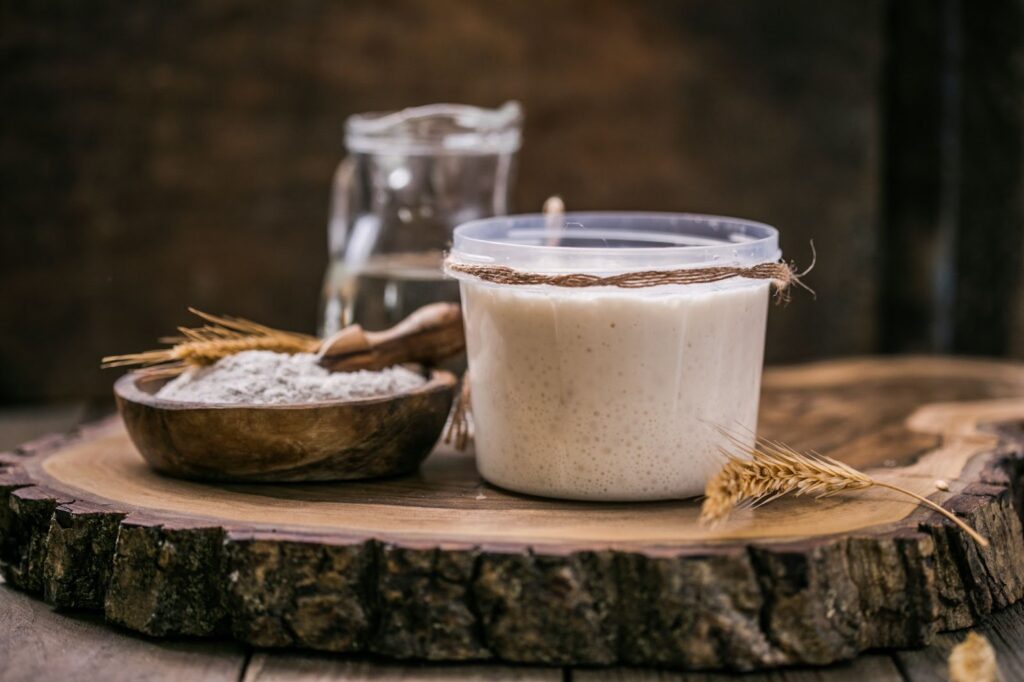
The answer lies in fermentation. Cultured wheat flour isn’t just regular flour – it’s wheat that’s been transformed through a controlled fermentation process. During fermentation, beneficial microorganisms produce organic acids and other compounds that naturally inhibit the growth of spoilage organisms like mold and bacteria.
Think of it like sourdough bread. That tangy flavor comes from acids produced during fermentation – and those same acids help preserve the bread naturally. Cultured wheat flour works on the same principle, but it’s optimized specifically for its preservation properties.
Fermentation: the secret behind wheat preservatives
Fermentation isn’t new – humans have been using it to preserve food for thousands of years. From kimchi to sauerkraut to yogurt, fermented foods have stood the test of time. Now, we’re applying those same ancient principles in a more controlled, scientific way.
When wheat undergoes fermentation, it produces a complex mix of organic acids and antimicrobial compounds. These natural substances create an environment that’s hostile to spoilage organisms but perfectly safe for human consumption.
What makes fermentation a game-changer?
We,ve worked with both synthetic and natural preservatives, and the beauty of fermentation is that it lets nature do the heavy lifting. Instead of adding isolated chemical compounds, you’re harnessing natural biological processes.
The result? A clean-label ingredient that actually works. No synthetic chemicals. No artificial stabilizers. Just the power of fermentation doing what it’s done for millennia – keeping food fresh.
Benefits of using fermented ingredients in your food products
Flavor, function, and shelf life
Here’s something that surprised me when I first started working with cultured wheat flour: it doesn’t just preserve food – it can actually make it taste better. Unlike some synthetic preservatives that can impart chemical off-notes, wheat-based preservatives often enhance the flavor profile of the final product.
I once worked with a client who was reformulating their banana bread. When we replaced the calcium propionate with cultured wheat flour, not only did we achieve the same shelf life, but taste testers consistently rated the new version higher for flavor. The slight tanginess from the fermentation complemented the banana notes perfectly.
Beyond flavor, these ingredients are truly functional. They extend shelf life by creating an environment where mold and bacteria struggle to grow. And they do it without compromising texture or taste.
Supporting gut health with fermented ingredients
There’s growing evidence that fermented foods may support digestive health. While the primary purpose of cultured wheat flour is preservation, the fermentation process creates compounds like organic acids (particularly lactic acid) that may have additional health benefits.
I’m not suggesting you market cultured wheat flour as a health supplement – that would be overreaching. But it’s worth noting that unlike some synthetic preservatives, which have no nutritional value, fermented ingredients may actually contribute positively to the overall health profile of your product.
Spotlight: nutek natural ingredients’ nuxtend® line
Nuxtend® cultured wheat flour
If you’re looking to implement wheat natural preservatives in your formulations, NuTek’s Nuxtend® Cultured Wheat Flour (Nuxtend® 110) is worth checking out. We,ve used it in several projects, and it’s become my go-to for clean-label preservation.
Available through 1-2-Taste, this ingredient is produced through controlled fermentation and works across multiple food categories. What I appreciate most is its consistency – batch-to-batch variation is minimal, which is crucial when you’re developing commercial products.
How it works in food applications
The science behind Nuxtend® is straightforward but effective. During fermentation, it develops natural acids that suppress spoilage microorganisms like mold and yeast. These are the same organisms that would otherwise limit the shelf life of your products, especially baked goods, sauces, and ready meals.
What’s particularly valuable is that it’s stable and easy to integrate into existing formulations. We,ve found that it doesn’t significantly affect the end product’s texture or taste when used at recommended levels – it just quietly does its job in the background.
How to use cultured wheat flour in formulations
Application in baked goods
Baked goods are where cultured wheat flour really shines. We,ve used it successfully in everything from sandwich bread to muffins to cookies. It’s particularly effective at preventing mold growth, which is the primary shelf-life limiter for most baked products.
To use it in your bakery formulations, simply blend it with your dry mix or add it during dough preparation. Typically, you’ll replace synthetic preservatives like calcium propionate on a 1:1 basis, though you might need to adjust slightly based on your specific product and desired shelf life.
I remember working with a small bakery that was struggling with mold issues in their artisan bread. They wanted to stay clean-label but needed at least 10 days of shelf life. Adding just 0.5% Nuxtend® to their formula solved the problem without changing the flavor or texture of their signature loaves.
Use in ready meals, sauces & dressings
Beyond bakery, cultured wheat flour works well in ready-to-eat meals, sauces, and dressings. In these wet products, it provides natural acidity that helps maintain freshness.
We,ve found it particularly useful in pasta sauces and ready meals, where it helps control microbial growth without the need for artificial preservatives. The key is incorporating it thoroughly during the mixing stage to ensure even distribution.
One tip from my experience: in sauces and dressings, you might need to adjust your pH slightly to account for the acidity from the cultured wheat. It’s usually a minor adjustment, but worth checking if your product is pH-sensitive.
Compatibility with other ingredients
One of the strengths of cultured wheat flour is how well it plays with others. Whether you’re working with plant proteins, alternative sweeteners, or various starches, it typically integrates without issues.
It’s even compatible with other fermented ingredients like Nuxtend® Cultured Dextrose, Cultured Tapioca, and Cultured Skimmed Milk – all available on 1-2-Taste. We,ve sometimes used combinations of these ingredients to create more robust preservation systems for particularly challenging applications.
Comparing natural preservatives for food with synthetic alternatives
Health impact and labeling advantages
Let’s be honest – synthetic preservatives work. They’ve been used for decades because they’re effective and economical. But they come with baggage. Many consumers view ingredients like sodium benzoate or potassium sorbate with suspicion, whether that’s scientifically justified or not.
Natural options like fermented wheat help brands win consumer trust through cleaner labels. Instead of listing “calcium propionate” (which sounds chemical even though it’s relatively benign), you can list “cultured wheat flour” – an ingredient that sounds like it belongs in food.
We,ve seen this play out in consumer testing repeatedly. When presented with two identical products – one with synthetic preservatives and one with cultured wheat flour – consumers consistently perceive the latter as healthier and more premium, even without any other information.
Cost & efficiency considerations for r&d & procurement teams
I won’t sugarcoat it – natural preservatives typically cost more than their synthetic counterparts. That’s the reality of using ingredients derived from food sources rather than synthesized in a lab.
However, the calculation isn’t as simple as comparing cost-per-kilo. You need to consider:
- The premium pricing potential of clean-label products
- The marketing value of natural positioning
- The long-term brand loyalty from meeting consumer expectations
- The compliance with global clean-label trends
I worked with a mid-sized bakery that initially balked at the higher cost of switching to cultured wheat flour. But after implementing the change, they were able to increase their retail price by 15% based on their new clean-label positioning, more than offsetting the increased ingredient cost.