You can convert your cart contents into a quote request.

How to Effectively Use Organic Tapioca Fiber to Boost Recipe Value

  • Posted on:
  • Reading time:

Hey there, food innovators! Whether you’re formulating the next big clean-label product or exploring high-fiber alternatives for reformulation, organic tapioca fiber is making waves across the food industry. We’ve been up to our elbows in fiber lately (the good kind, we promise), and we’re excited to share everything we know about organic tapioca fiber. We’ve seen firsthand how this ingredient is changing the game for our customers, and we wanted to give you the inside scoop on how to use it in your own creations.

image

What’s Tapioca and Where Does It Actually Come From?

Let’s start with the basics. We get this question all the time at trade shows: “So what exactly is tapioca?”

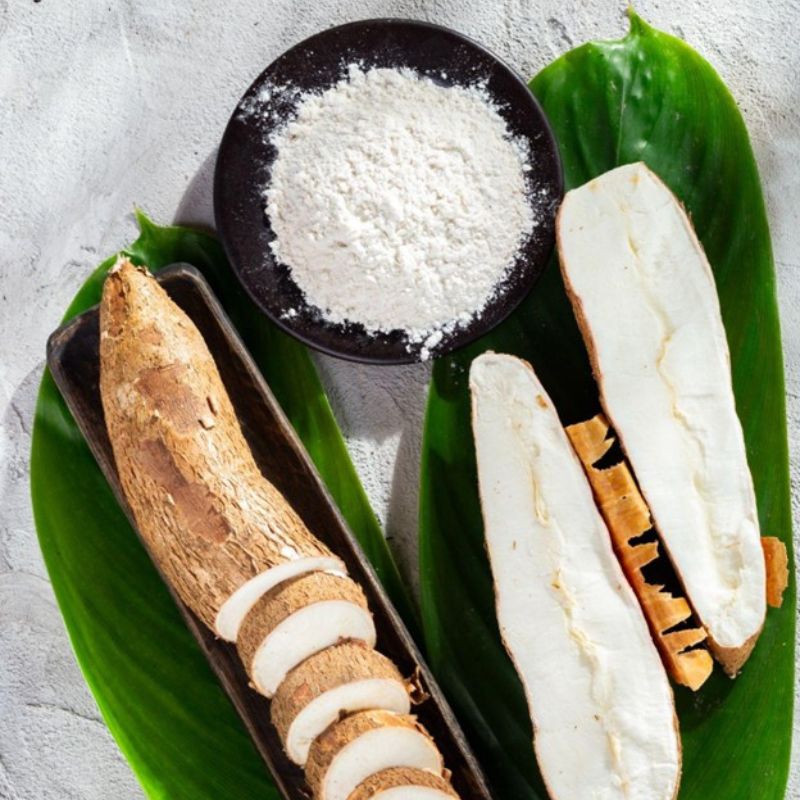
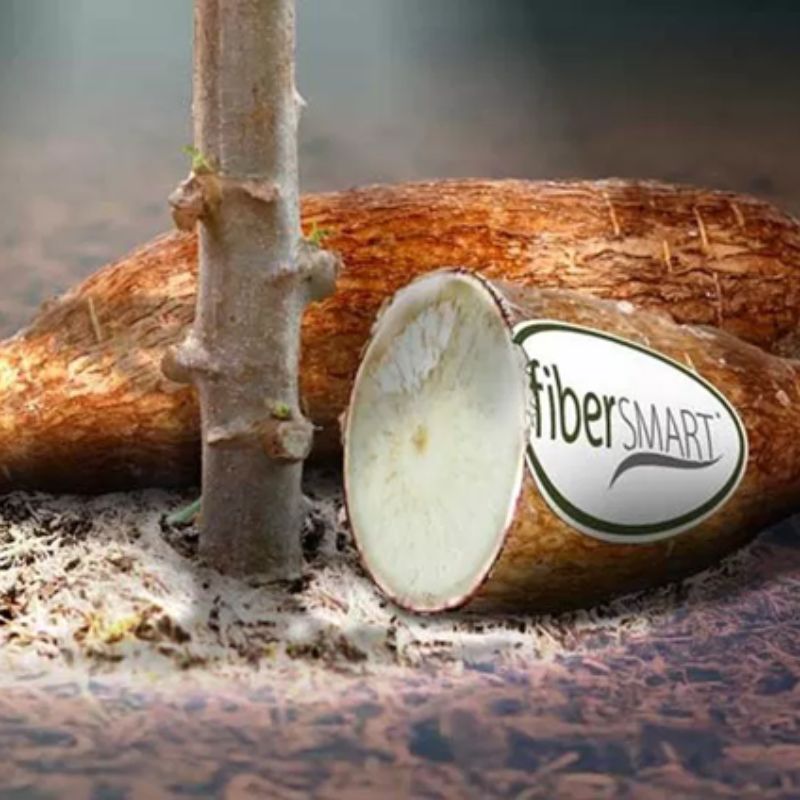
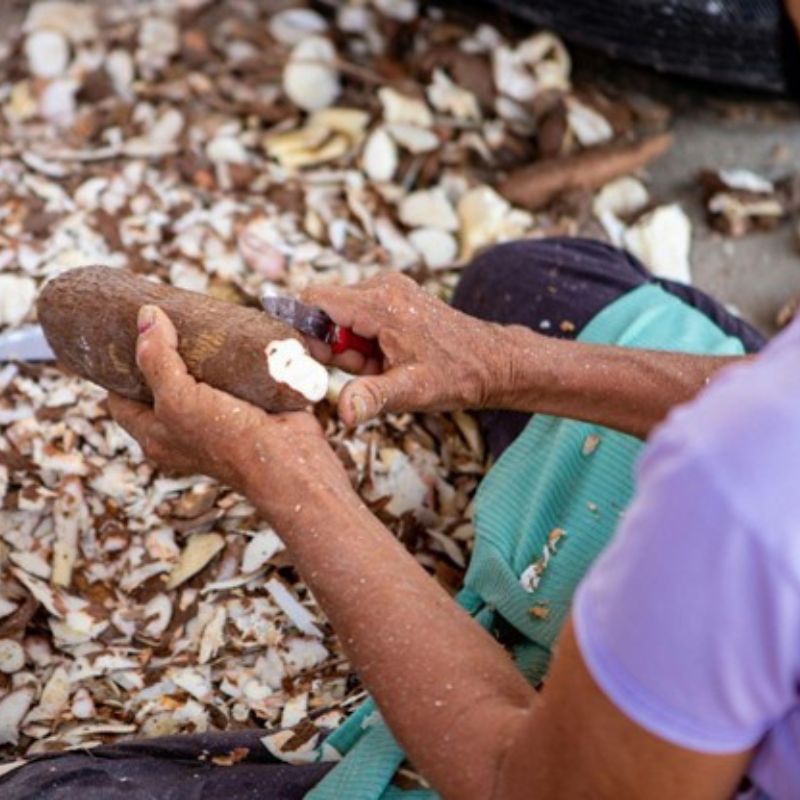
Tapioca comes from cassava, an amazing root vegetable that originally grew in South America but now thrives across Asia and Africa too. When we extract starch from these roots, we get the base for all sorts of tapioca products – from those chewy pearls in your bubble tea to the fiber we’re talking about today.

The Traditional Uses (Before We Got Creative)

Before organic tapioca fiber became our obsession, tapioca was already working hard in kitchens around the world:

  • Those bouncy pearls in puddings that everyone loves
  • A lifesaver for gluten-free baking (we’ve all had that one friend with celiac disease)
  • The secret thickener in countless sauces and soups
  • The chewy goodness in boba tea that’s impossible to resist

But here’s where it gets interesting – we’ve seen organic tapioca fiber completely transform what’s possible with this ingredient. One of our customers called us last month saying, “We never thought we could get 8g of fiber in our keto cookies without affecting taste!” That’s the magic of this stuff.

image

What Makes Organic Tapioca Fiber a Groundbreaker for Food Innovators

When we talk about organic tapioca fiber, we’re talking about a plant-based, soluble dietary fiber derived from non-GMO tapioca starch. It’s natural, clean-label, and organic-certified – everything today’s consumers are looking for.

We had a bakery client who was struggling with their gluten-free bread texture. They tried everything until they added our tapioca fiber. The difference was night and day – better structure, improved mouthfeel, and they could finally put “good source of fiber” on the label. Win-win-win!

Why Being Soluble Matters So Much

Here’s something we explain to all our new customers: tapioca fiber is soluble, meaning it dissolves in water and forms a gel-like consistency in the gut. This isn’t just a technical detail – it has real benefits:

  • Slows down digestion (keeps you feeling full longer)
  • Helps with blood sugar response (huge for diabetic-friendly products)
  • Supports heart health (who doesn’t want that claim on their packaging?)

And the best part? It’s prebiotic! That means it feeds all those good bacteria hanging out in your gut. We’ve seen the gut health trend grow year after year, and it’s not slowing down.

image

The Top Tapioca Fiber Benefits for Modern Food Formulations

We’ve worked with hundreds of food brands, and the tapioca fiber benefits extend beyond nutrition to include improved texture and mouthfeel. Here’s why our customers keep coming back for more:

  • Low glycemic impact: Perfect for keto and diabetic-friendly products
  • Supports satiety: Great for weight management positioning
  • Neutral taste and color: Doesn’t mess with your carefully crafted flavor profile
  • Clean-label appeal: No explaining weird ingredients to consumers

Just last quarter, we helped a protein bar company reformulate with our tapioca fiber. They were able to reduce sugar by 30% while maintaining the same sweet taste and chewy texture their customers loved. Their sales have increased 22% since the change!

Why Prebiotic Fiber is Essential for Gut-Friendly Products

As a prebiotic fiber, tapioca helps support a healthy gut microbiome. We’re not just saying this – we’ve seen the research and the results from our customers’ products.

One of our favorite success stories is a yogurt alternative brand that added our fiber to their formulation. They not only improved texture but were able to add “supports gut health” to their packaging, which their marketing team tells us has been a major selling point.

Functional Benefits You’ll Actually Notice

Beyond the health stuff, organic tapioca fiber just makes products work better:

  • Improves texture and mouthfeel (especially in gluten-free and reduced-fat applications)
  • Replaces sugar or fats without sacrificing taste (we’ve seen up to 30% reduction)
  • Acts as a binder or bulking agent (particularly useful in plant-based products)

image

Our FiberSMART Products (Yes, We’re a Bit Proud of Them)

We offer two main tapioca fiber products, and we’ve fine-tuned them based on years of customer feedback.

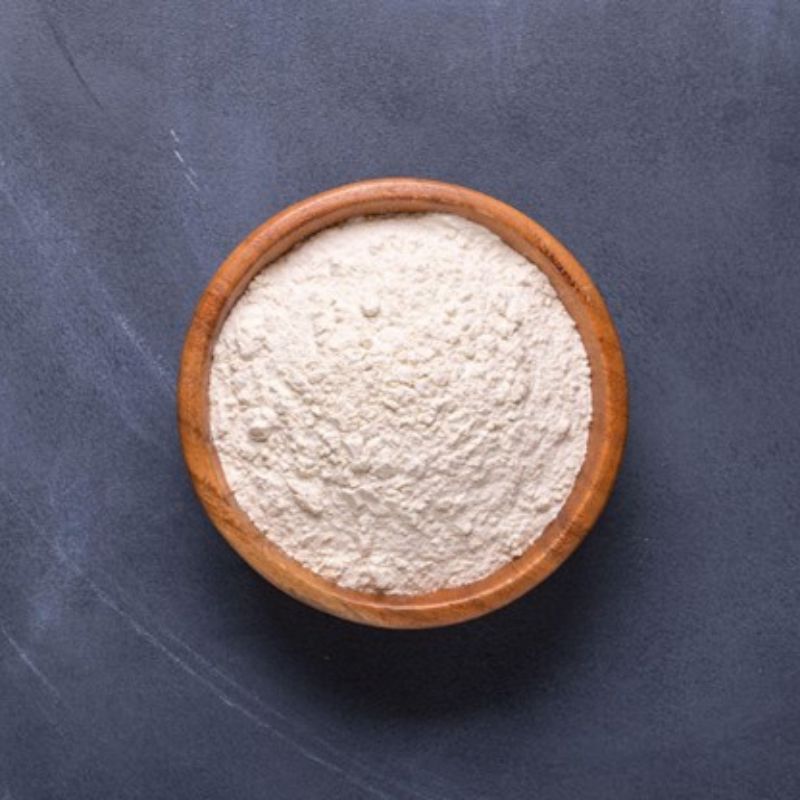
Introducing FiberSMART Powder: Our Premium Organic Tapioca Fiber

This is our bestseller, and for good reason. When formulating with organic tapioca fiber in powder form, you get:

  • 90% dietary fiber (that’s hard to beat!)
  • Organic certified (your marketing team will thank you)
  • Neutral flavor (doesn’t mess with your carefully crafted taste)
  • Perfect for dry mixes, protein powders, snacks, and cereal bars

We had a customer who makes protein cookies tell us, “We tried three other fiber sources before yours. FiberSMART was the only one that didn’t give our cookies a gritty texture or weird aftertaste.”

Need Something More Liquid-Friendly? FiberSMART Syrup Has You Covered

For beverages, sauces, and more fluid applications, our syrup version offers:

  • Low sugar content (unlike many other syrups)
  • High fiber functionality (same benefits as the powder)
  • Clean taste (seriously, we dare you to detect it in a blind taste test)
  • Ideal for beverages, sauces, energy bars, and gummies

A functional beverage company we work with switched to our syrup after struggling with fiber that would settle out or affect clarity. Their feedback? “It’s like it’s not even there – except for the fiber content on the nutrition panel!”

image

Incorporating Fiber in Food Formulations: Best Practices from 1-2-Taste

After helping hundreds of brands successfully add fiber in food formulations across categories, we’ve learned a thing or two about best practices.

Dosage and What It Plays Nice With

Experts usually recommend 2% to 10% of the recipe, depending on what you’re making. Through our testing, we’ve found it blends beautifully with:

  • Protein powders (both plant and dairy-based)
  • Plant-based milks (oat, almond, you name it)
  • Flours and starches (especially in gluten-free applications)
  • Natural sweeteners (it enhances the sweetness perception!)

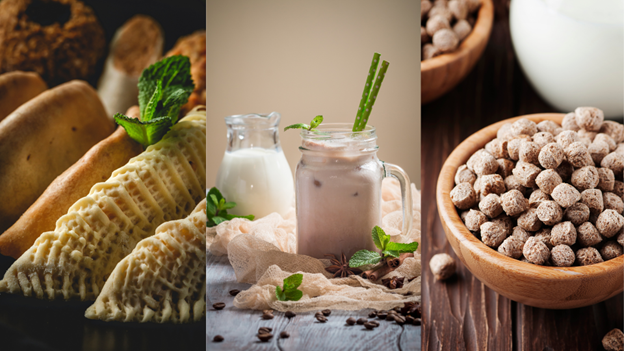
Real Applications We’ve Seen Work

Bakery Products

We’ve had customers add it to bread, cookies, and muffins to boost fiber without messing up texture. It’s especially great in keto snacks where texture can be challenging.

One bakery reduced its sugar by 25% in blueberry muffins while adding 5g of fiber per serving. Their customers couldn’t tell the difference in taste, but they sure appreciated the nutrition upgrade!

Beverages

The syrup is perfect for thickening smoothies and functional drinks. It keeps things clear while adding that nice viscosity consumers expect.

A ready-to-drink protein shake company told us, “We finally found a fiber that doesn’t get slimy or break down during shelf life. Game changer.”

Snacks and Cereals

Want crunchier granola or chips? This stuff works wonders and adds fiber without changing the flavor.

We worked with a granola brand that was able to reduce oil by 15% while maintaining the same satisfying crunch by incorporating our fiber. Plus, they added a “good source of fiber” claim that boosted their sales in the health food channel.

Dairy Alternatives

We’ve seen customers use it to make almond and oat milk creamier with a fuller mouthfeel – no extra fat needed!

One plant-based yogurt company told us, “Your fiber gave our product the texture we’ve been trying to achieve for two years. Our consumers are noticing the difference.”

R&D Tips From Our Kitchen to Yours

Our R&D team has spent countless hours working with tapioca fiber, and they wanted to share some hard-earned wisdom:

  • Always, always prehydrate the powder for smoother blending (trust us on this one)
  • Do stability tests if your product is pH-sensitive (especially important for beverages)
  • When cutting back on sweetness, pair it with monk fruit or stevia (they work synergistically)

Pro tip from our head of product development: “For clean-label innovations, FiberSMART powder or syrup is seriously unbeatable. We’ve done the regulatory legwork, so you don’t have to worry about compliance issues.”

Why Choose 1-2-Taste for Your Tapioca Fiber Needs

We know you have options when it comes to ingredients. But after working with hundreds of food innovators, we’ve built our business around solving the common pain points we kept hearing about.

What Makes Us Different

We’re not just another ingredient marketplace – we’re actual partners in your product development journey. Whether you’re just testing samples or scaling up big time, our fiber ingredients are:

  • Pre-vetted and traceable (we know exactly where our cassava comes from)
  • Backed by our R&D support team (actual food scientists, not just sales people)
  • Available in both powder and syrup forms (flexibility for any application)
  • Great for businesses of any size (from startups to multinational brands)

A snack bar company we work with put it best: “What we appreciate most about 1-2-Taste isn’t just the quality of the fiber, but how your team helped us troubleshoot when we hit formulation challenges. That’s rare in this industry.”

Wrapping It Up

Organic tapioca fiber isn’t just another ingredient trend – it’s a versatile tool that can transform your products. We’ve seen it work in everything from gut-friendly granola to high-fiber smoothies to keto cookies that people want to eat.

With FiberSMART powder and syrup, you’ve got everything you need to create clean, functional, delicious products that today’s consumers are looking for.

Ready to see what tapioca fiber can do for your next product innovation? We’d love to send you some samples and talk through your specific application. Just reach out to our team, and we’ll get you set up!

FAQs

Before it became a fiber superstar, tapioca was mainly used in puddings, gluten-free baking, boba pearls, and as a thickener for sauces and soups. We’ve come a long way!

The starch itself is great for thickening recipes, making gluten-free dough, or replacing cornstarch in desserts and gravies. But the fiber offers all those additional health benefits we’ve talked about.

It’s a soluble, plant-based, prebiotic dietary fiber that enhances fiber content and improves texture. And yes, it’s clean-label friendly!

Absolutely! The FiberSMART syrup version is perfect – it blends seamlessly into drinks and smoothies without affecting clarity or settling out during shelf life.

Well, we might be biased, but check out 1-2-Taste for both FiberSMART Powder and Syrup. We offer samples, technical support, and can help with your specific application needs.