Why organic fiber is the secret weapon of clean labels
Benefits of organic fiber
Organic fiber doesn’t just make your product “look good on paper.” It:
- Improves digestive health
- Reduces glycemic impact
- Helps in sugar and fat replacement
- Supports gut microbiota (hello, prebiotics!)
- Enhances texture and mouthfeel
Fiber as a functional ingredient
Fiber isn’t just nutritional—it’s multifunctional. It helps bind water, stabilize emulsions, improve texture, and even reduce calories. That’s why it’s a favorite among product developers.
Types of clean label fibers to know
Soluble fiber vs insoluble fiber
Soluble fiber dissolves in water and becomes gel-like. It’s great for beverages, syrups, and smoothies. Insoluble fiber adds bulk and aids digestion, more suitable for baked goods and snacks.
The rise of prebiotic fiber
Here’s a buzzword worth betting on—prebiotic. Prebiotic fibers feed the good bacteria in your gut and are becoming a marketing advantage in the functional food space.
Spotlight on tapioca fiber and corn fiber
What is tapioca fiber and why it’s trending
Tapioca fiber comes from the cassava root. It’s naturally gluten-free, neutral in taste, and plays well in most formulations.
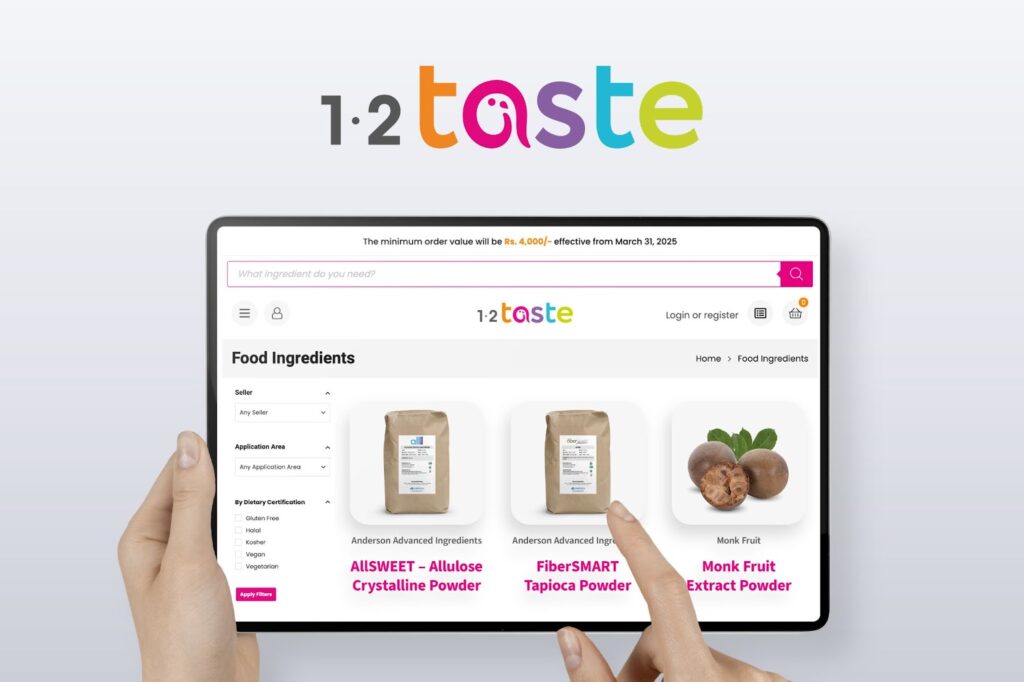
This is your go-to if you’re looking for a soluble fiber that’s organic, clean-label compliant, and has low sugar impact. Perfect for bars, bakery, and supplements.
Need to improve sweetness and body without added sugars? This syrup offers functionality and sweetness—minus the guilt.
Why soluble corn fiber is gaining ground
Corn fiber is incredibly versatile, heat-stable, and has excellent digestive tolerance—making it a fiber hero in complex formulations.
Use this if you need a sugar substitute and fiber booster in dry applications like snacks and cereals.
Perfect for nutrition bars, beverages, and frozen treats. It blends well and supports clean-label claims with ease.
What is the best way to incorporate fiber?
Use in beverages
Use soluble fibers like tapioca syrup or corn syrup to:
- Replace sugar
- Improve mouthfeel
- Add prebiotic functionality
Use in bakery products
Tapioca and corn fiber powders work well in:
They not only improve texture but help reduce fat and sugar too.
Use in Dairy and nutrition formulas
Prebiotic fibers are amazing in:
- Yogurts
- Protein shakes
- Meal replacements
They enhance creaminess and digestive support.
Labeling tips and regulatory watchouts
Keep it transparent
Avoid terms like “proprietary blend” or “natural flavoring” without backing it up. Consumers appreciate honesty—even if the ingredient list is long, make it understandable.
FSSAI and clean label claims
In India, FSSAI has strict labeling rules. Be sure to:
- Highlight fiber content
- Specify “organic” only if certified
- Avoid health claims that can’t be proven
How 1-2-taste helps you stay ahead
Curated, clean-label ingredients
We don’t just list products—we curate. Every fiber ingredient on 1-2-Taste is reviewed for clean-label compatibility, formulation ease, and supplier transparency.
Fast sampling for r&d teams
Need to test the fiber first? Request quick samples from any of the products linked above and fast-track your innovation cycles.