First things first: What are clean label sweeteners?
So, what does “Clean Label” actually mean?
“Clean label” has become the food industry’s buzzword—but it’s more than a marketing term. It means using ingredients that are simple, recognizable, and naturally sourced. No hard-to-pronounce chemicals. Just real ingredients you’d feel comfortable explaining to your grandma.
Why natural sweeteners are on the rise
As more consumers link sugar with chronic health conditions, there’s growing interest in alternatives that are natural, lower in calories, and better for long-term health. Naturally derived sweeteners check all the right boxes—and food brands are taking notice.
Why the shift away from traditional sugar?
Transparency is the new loyalty
People are paying close attention to what’s going into their bodies. If your label lists high-fructose corn syrup or aspartame, you may lose them at first glance. Formulators are now being challenged to clean up their ingredient decks—and sweeteners are often the first place they start.
The wellness factor is real
From keto-friendly options to low-GI products, consumers are expecting food that supports their lifestyle choices without sacrificing taste. Clean label sweeteners help brands meet that expectation, offering the sweet experience people want, minus the sugar crash.
What counts as a “Clean” Sweetener?
Here’s What to Look For
A sweetener can be called “clean” when:
- It’s derived from plants or natural sources
- It goes through minimal processing
- It’s in line with health claims like low calorie, low glycemic, or diabetic-friendly
What’s the cleanest sweetener out there?
If you ask most formulators, Allulose is right up there. It’s found in small amounts in things like raisins and figs, but it behaves almost identically to sugar. It’s gut-friendly, doesn’t spike blood sugar, and works great in baking. And with Allulose now approved for use in India, it’s worth checking platforms like 1-2-Taste for supply options.
Let’s talk about your options
Allulose – The new favorite
Allulose gives you about 70% of sugar’s sweetness, but almost none of its calories. It browns, bulks, and bakes like sugar, making it a game-changer for product developers who want performance without the downside.
Why Allulose is trending in India
With FSSAI giving Allulose the green light, it’s becoming a go-to for clean label reformulations across categories—baked goods, frozen desserts, beverages—you name it.
Monk fruit extract
This one’s been popular in the U.S. For years, and it’s catching on in India too. Monk Fruit is intensely sweet—up to 200 times sweeter than sugar—but it doesn’t mess with your blood sugar levels or calorie count.
Stevia
Stevia’s been around a while, and there’s a reason it’s still in the game. It’s naturally derived from the Stevia plant and works well in drinks and sugar blends. Just keep in mind that it sometimes needs to be paired with other sweeteners to balance out any bitter notes.
Erythritol
Found naturally in fruits, this sugar alcohol is low-cal, easy on the stomach, and doesn’t affect blood sugar. It also pairs well with Stevia and Monk Fruit to round out sweetness in a blend.
Which sweetener is actually healthiest?
A look at glycemic impact and calories
Let’s compare a few:
- Allulose: Very low calorie, GI close to zero
- Stevia & Monk Fruit: Calorie-free, zero GI
- Erythritol: Almost calorie-free, GI zero
In short? All of these outshine table sugar when it comes to blood sugar control and calorie load.
And what about gut health?
Unlike some artificial sweeteners that can upset the gut microbiome, clean label sweeteners like Allulose and Monk Fruit are much easier on the system. That makes them great options for consumers focused on long-term wellness.
So, what sugar counts as “clean”?
Unrefined sugars like jaggery, coconut sugar, and honey are often thought of as clean because they’re less processed. But they’re still sugars—they spike glucose and add calories. If you’re formulating a product that needs to be low-GI and low-calorie, your best bets are Allulose, Stevia, or Monk Fruit.
Using clean label sweeteners in your formulations
Step 1: Define your product’s needs
Ask yourself:
- Do I need a sweetener that adds bulk?
- Will the product go through heat?
- Am I targeting calorie-conscious or diabetic consumers?
Step 2: Match sweetener to function
Each sweetener behaves differently. For example:
- Allulose: Mimics sugar in baking, great for browning
- Stevia: Best for cold beverages or as part of a blend
- Monk Fruit: Works well in flavored drinks, bars, and gummies
Step 3: Start small with trials
Before you commit to a full-scale launch, run pilot tests to fine-tune sweetness levels and mouthfeel.
Step 4: Test taste and stability
Don’t forget to evaluate:
- Aftertaste
- Shelf-life
- Texture and moisture levels
- Sweetness over time
Where clean sweeteners shine
In beverages
Monk Fruit and Stevia are ideal for drinks, especially when you’re going for zero calories with clean flavor.
In bakery and confectionery
Allulose is your go-to here. It can caramelize, brown, and give structure just like sugar, making it perfect for cakes, cookies, and more.
In dairy and frozen desserts
From yogurts to ice creams, Allulose and Monk Fruit help you keep it clean while delivering indulgence.
Where to find clean label sweeteners in india
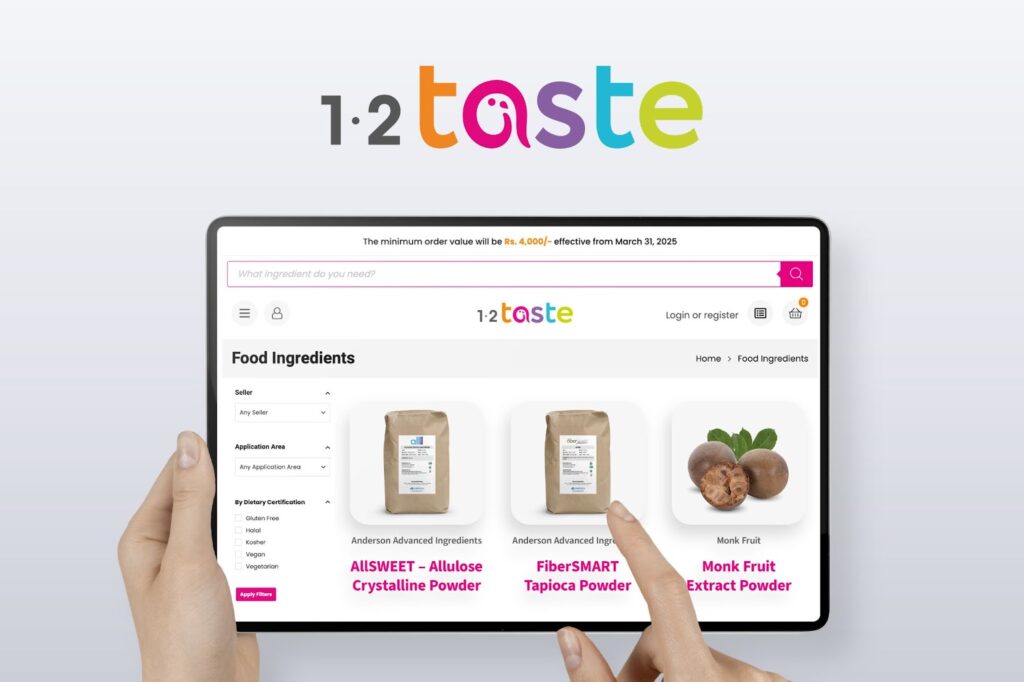
If you’re looking to source clean sweeteners from verified suppliers, 1-2-Taste has a range worth exploring:
AllSWEET® Allulose
A high-quality Allulose India offering that functions like sugar in taste and structure. Ideal for R&D teams developing clean-label snacks, dairy, and beverages.
Monk fruit extract powder
Potent, zero-calorie, and perfect for blending or stand-alone sweetness in beverages.
Stevia RA 98%
This high-purity Stevia extract delivers strong sweetness with minimal bitterness. A great choice for clean, sugar-free product development.
Check out the full collection here: 1-2-Taste Clean Sweeteners
Why r&d and procurement teams trust 1-2-taste
- A wide range of clean sweeteners from reliable global suppliers
- Quick sample delivery for testing
- Easy bulk ordering process
- Technical support for formulation help
- Products that align with clean label claims and regulatory standards