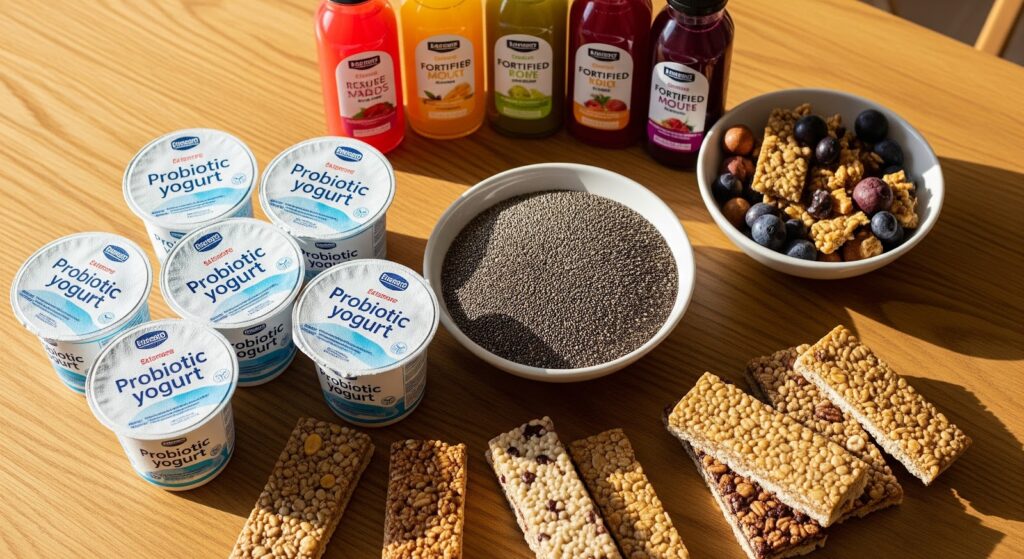
Why are people obsessed with them?
Consumers are smarter now. They’re flipping packs, checking labels, and Googling ingredients before they buy. They want health benefits without giving up taste. If your product ticks both boxes, you’ve got a winner. If not, well… it won’t last long on shelves.
So, how do you actually make one?
Let me break it down because it’s not as simple as adding a scoop of fiber and calling it a day.
Step 1: figure out the problem you’re solving
Is it sugar reduction? More fiber? Better heart health? Nail this first.
Step 2: pick your hero ingredients
The magic happens here. The ingredient you choose decides everything—taste, texture, cost, stability.
Step 3: test like your brand depends on it (because it does)
Functional benefits should last through the entire shelf life. If they disappear halfway, you’re in trouble.
Step 4: play by the rules
Every market has regulations. In India, it’s FSSAI. No shortcuts here.
Step 5: make sure it tastes amazing
Trust me, no one cares about “added benefits” if the product tastes bad. Taste still wins. Always.
Game-changing ingredients you can start using today
Alright, let’s talk real solutions. These ingredients are what the best brands are using right now:
AllSWEET® Allulose – The sugar alternative that actually tastes like sugar. No weird aftertaste, no spikes in blood sugar. Ideal for bakery, dairy, and beverages.
FiberSMART® Soluble Tapioca Fiber – Want better nutrition labels without ruining texture? This fiber does the job and supports gut health.
Salt for Life® – Lower sodium, better heart health, same great taste.
NUTEXTEND™ Cultured Tapioca – A clean-label way to extend shelf life without dumping artificial preservatives in your product.
Why clean labels aren’t optional anymore
Here’s the truth: people are reading every word on your pack. If it sounds like something from a chemistry lab, they’ll put it back on the shelf. Clean label is no longer a “nice-to-have.” It’s survival.
The hard part? Balancing health and taste
You know what the biggest complaint about functional foods is? “It’s healthy but tastes bad.”
Cut sugar and you risk losing sweetness. Add fiber and your texture goes weird. That’s where great R&D comes in.
What’s next for functional foods?
This space is just warming up. We’re going to see:
- Foods made just for your gut microbiome
- AI helping brands predict the next big functional trend
- Completely personalized nutrition
Sounds futuristic? It’s closer than you think.